
Where Can I Find Reliable Actuators for Controlling Gas Flow in Industrial Settings?
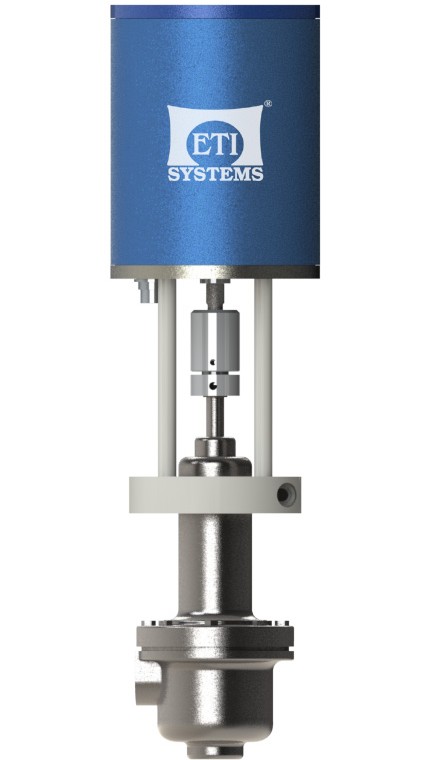
Finding a dependable Valve Actuator for gas flow comes down to verifying three things before a purchase order ever goes out: documented hazardous-area certification, a manufacturer willing to share real testing data, and a sealed enclosure built for the specific gas environment the actuator will live in. Gas flow control leaves very little room for […]
What Are the Most Efficient Actuators for Water Treatment Applications?
Electric Valve Actuator technology consistently ranks as the most efficient choice for water treatment applications, delivering precise modulating control with lower running costs than pneumatic or hydraulic alternatives once a facility factors in continuous compressor operation. Water and wastewater plants run valves almost constantly across treatment stages, so the actuator sitting on each one needs […]
What Converts Electrical Signals Into Physical Actions Within a Vehicle?

An actuator is the component that makes that conversion happen. A vehicle’s electronic control unit processes sensor data and driver input constantly, but none of that processing moves a single part on its own. Every time a throttle plate opens, a brake caliper clamps down, or a blend door shifts inside the HVAC housing, an […]
What Is an Actuator in an Embedded System?
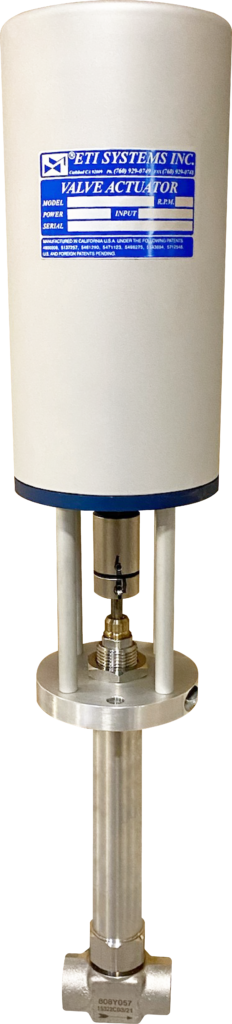
An actuator takes an electrical signal from a microcontroller and turns it into real movement, force, or pressure. The processor decides what needs to happen. The actuator is what actually makes it happen. Without one, a control loop can sense the world, but it can never act on it. How an Actuator Converts Electrical Signals […]
What Role Do Actuators Play in a Robotic System?
A robot can sense its surroundings and plan a move, yet none of that becomes physical until an actuator converts the controller’s command into motion or force. Every joint that bends, every wheel that turns, and every gripper that closes traces back to one. The actuator is the component where computation becomes mechanical action, and […]
ETI Systems: Industrial Use of Actuator
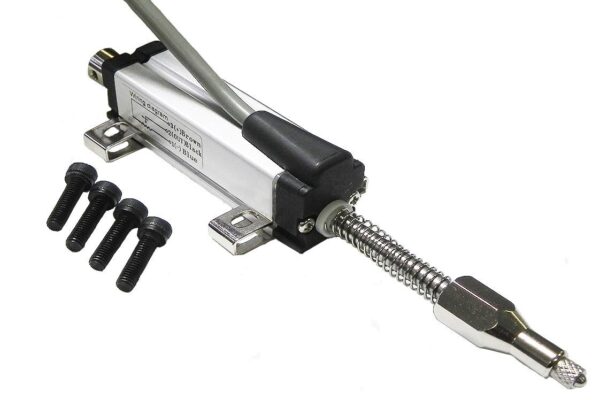
An industrial Actuator converts a control command into repeatable motion, which is why it sits at the center of modern automation. When equipment needs a valve to move to a known position, a gate to close with consistent force, or a mechanism to travel the same stroke every cycle, the motion device has to behave predictably […]
Which Actuator Is Mostly Used in Industrial Automation?
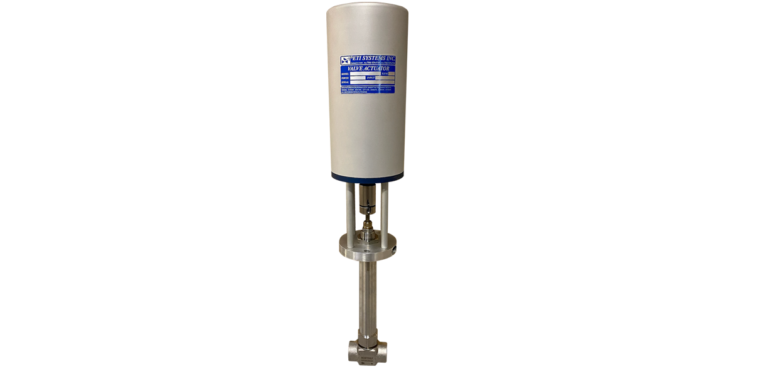
In industrial automation, actuators are chosen less by popularity and more by how reliably they turn control commands into physical movement over thousands of cycles. Every production line depends on motion that starts the same way, reaches the same position, and holds steady under load. When an actuator cannot do that consistently, the problem shows […]
How to Use an Actuator in a Hydraulic System?
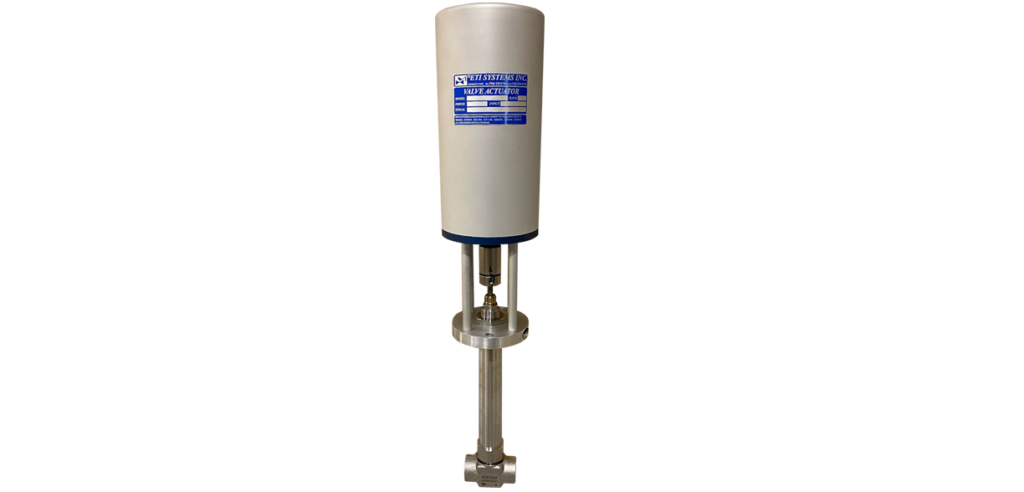
How to Use an Actuator in a Hydraulic System In a hydraulic system, the actuator is the part that turns fluid power into motion at the load. Using it well means matching the actuator to the force and stroke you need, mounting it so the load stays aligned, and setting up checks that confirm the system […]
Practical Example of an Actuator in a Control System
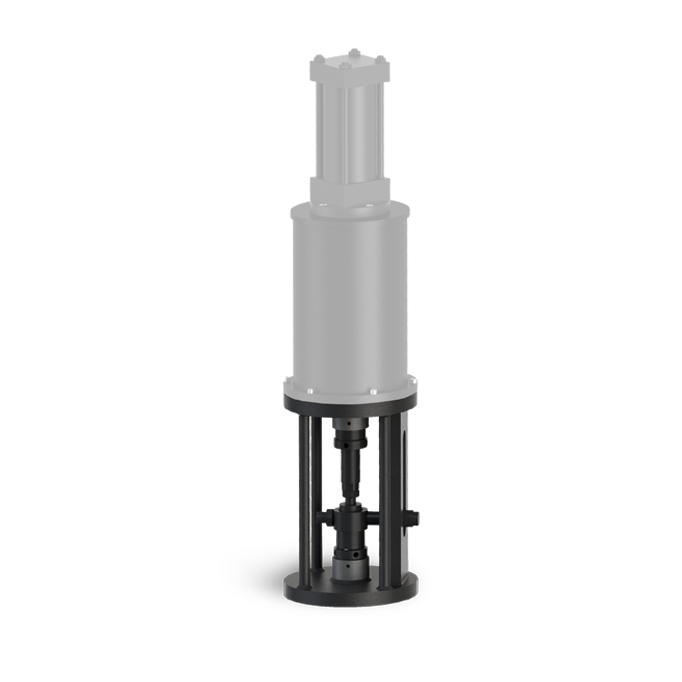
When we design a control loop, we are deciding how the machine should respond when conditions change. The controller reads inputs, applies rules, and sends a command. The hardware then has to translate that command into real movement that is smooth enough to tune and consistent enough to repeat. In an actuator in a control […]
What are Commonly Used as Actuators in Electronic Suspension Systems?
When we look at an electronic suspension system, we start by separating two jobs that often get blended together. One job is changing damping, which is how the damper resists motion as the wheel moves. The other job is changing ride height or load leveling, which is how the vehicle maintains its stance as conditions […]