
When we design a control loop, we are deciding how the machine should respond when conditions change. The controller reads inputs, applies rules, and sends a command. The hardware then has to translate that command into real movement that is smooth enough to tune and consistent enough to repeat.
In an actuator in a control system, the most common problems show up when command, mechanics, and feedback do not stay aligned. That is why we look at response behavior, holding behavior, and what we can measure during commissioning. If we can record a baseline that matches real operating conditions, we can keep support work grounded later.
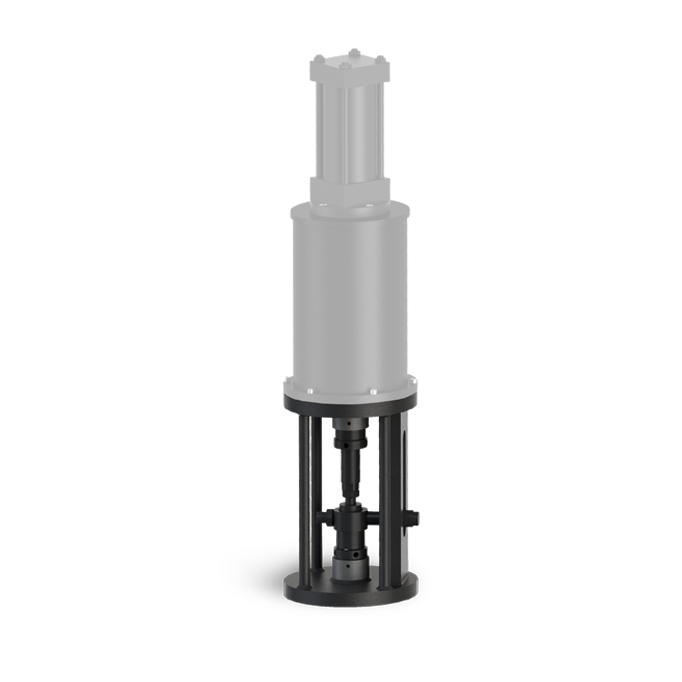
A control command is only useful if the machine reacts in a predictable way. We want the same command change to produce the same kind of movement across cycles, especially during slow movement and near the target. That consistency is what lets tuning stay calm and prevents the system from constantly correcting itself.
If you want a quick overview of core device types and where they fit, our next read is Actuator. It helps put the command-to-motion link in context before you dive into selection details.
We also plan for what happens when the load changes. A mechanism can feel stable when it is unloaded, then behave differently when friction rises, temperature shifts, or the process force increases. We look for designs that keep the motion response consistent across the operating range so the loop does not become sensitive or unstable.
In most automation setups, motion hardware is doing one of three jobs. It may position something to a target, hold it against a load, or modulate flow or force to maintain a process condition. Each job stresses the system differently, so we define what “good behavior” means before we lock the selection.
When teams are choosing between actuator types, interfaces, and mounting approaches for production equipment, read Comprehensive Actuator Guide for Industrial Applications. It walks through the practical selection factors that shape stability inside the loop.
Positioning work depends on a repeatable approach behavior, and stable settling near the target. Holding work depends on drift control and how the system behaves when the command stays constant. Modulating work depends on smooth changes in output without sudden steps that the process can feel.
Feedback closes the loop by telling the controller what actually happened. If the feedback is clean, the controller makes smaller corrections, and the system settles without hunting. If the feedback is noisy or delayed, the controller reacts to signals that do not represent true motion, and that can create oscillation or a “busy” control feel.
We pay close attention to how feedback behaves when the machine is running, not only when it is idle. Wiring practice, grounding, and mounting shift can all introduce changes that look like movement. If you want a system-level view of how these choices affect commissioning and long-term support, a helpful next read is Role of Actuators in Industrial Automation.
When we confirm feedback quality early, we reduce the chance of chasing tuning changes that are really installation issues.
Commissioning is where we prove the system, then record what normal looks like. We confirm limits, watch approach behavior near the target, and verify holding stability once motion stops. We also check repeatability by approaching the same point from both directions and confirming it lands consistently.
We record those results as a baseline because service teams need a fast way to confirm the machine has returned to expected behavior after a replacement or adjustment. In an actuator in a control system, that baseline is what keeps troubleshooting focused. It helps teams separate a mechanical shift from a control setting change without re-tuning the system from scratch.
We work with engineers who need motion behavior that stays consistent after installation and stays measurable during service. We start with the control goal, then tie selection back to real load behavior, duty cycle, and the checks we will use during commissioning. That keeps the design aligned with the way the machine will actually run.
We also help teams define a short verification plan that fits real startup and maintenance windows. When the baseline is recorded and the sourced configuration remains consistent, support work becomes faster and more focused. That is how we help keep control behavior stable across builds and across the full service life.
It converts a control command into physical movement so the machine can position, hold, or modulate a process variable.
Instability often comes from changes in mechanical load, mounting shift, or noisy feedback that causes the controller to over-correct.
Limit confirmation, approach behavior near the target, holding stability, and approach-direction repeatability are strong baseline checks.
If feedback is noisy while the machine is running, the controller reacts to false movement, and the loop can oscillate.
Saved endpoints, a few repeatable position checks, and one approach-direction repeatability check make it easier to confirm the system is back in range.