
How Potentiometers Regulate Voltage in Electronic Circuits
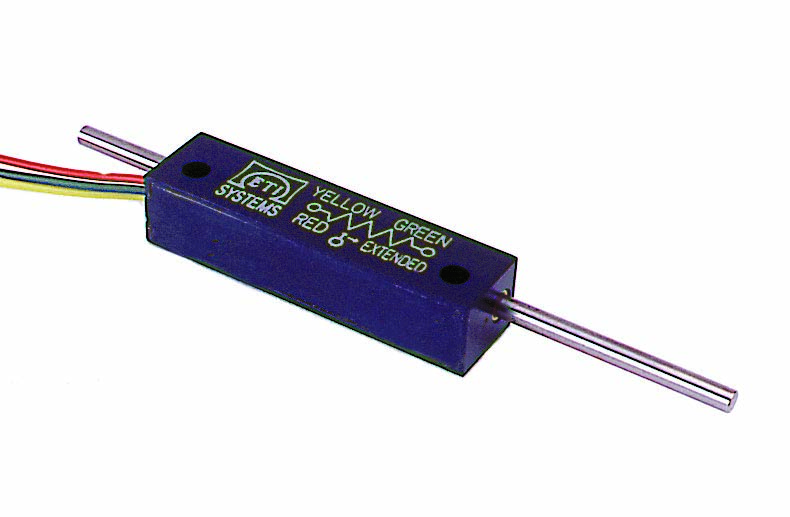
A Potentiometer regulates voltage by adjusting how resistance is shared inside a circuit. Inside the device is a resistive track and a moving contact called a wiper. When the wiper moves, the output voltage changes with it. That changing output can then be used for adjustment, calibration, signal control, or operator input. For many electronic […]
How Rotary Potentiometers Function in Position-Sensing Applications
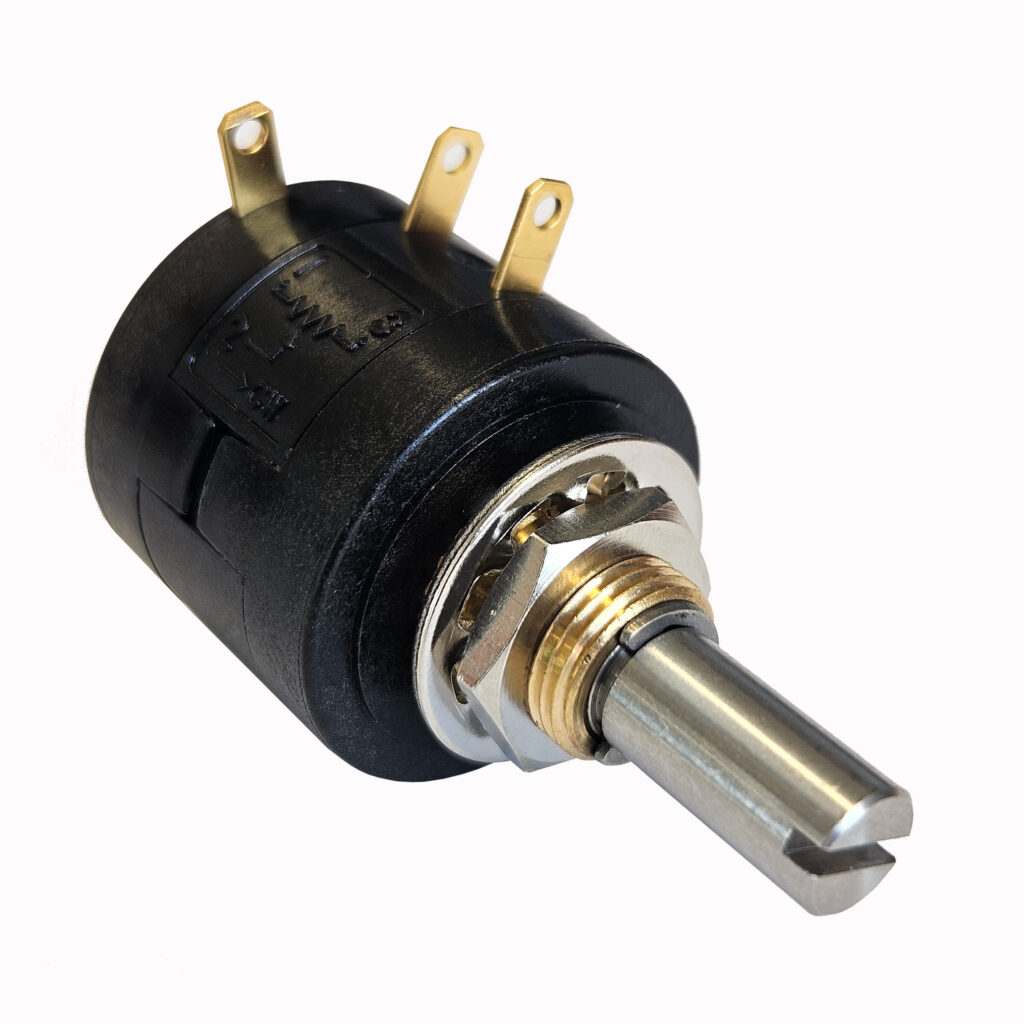
A Rotary Potentiometer converts the rotation of a shaft into an electrical output that can be read by a circuit, controller, or machine-control system. As the shaft rotates, the internal wiper moves across a resistive element and changes the output in accordance with the position. This simple mechanical-to-electrical relationship makes the device useful when equipment […]
Comparing Potentiometers With Encoders and Hall Sensors in Industrial Use
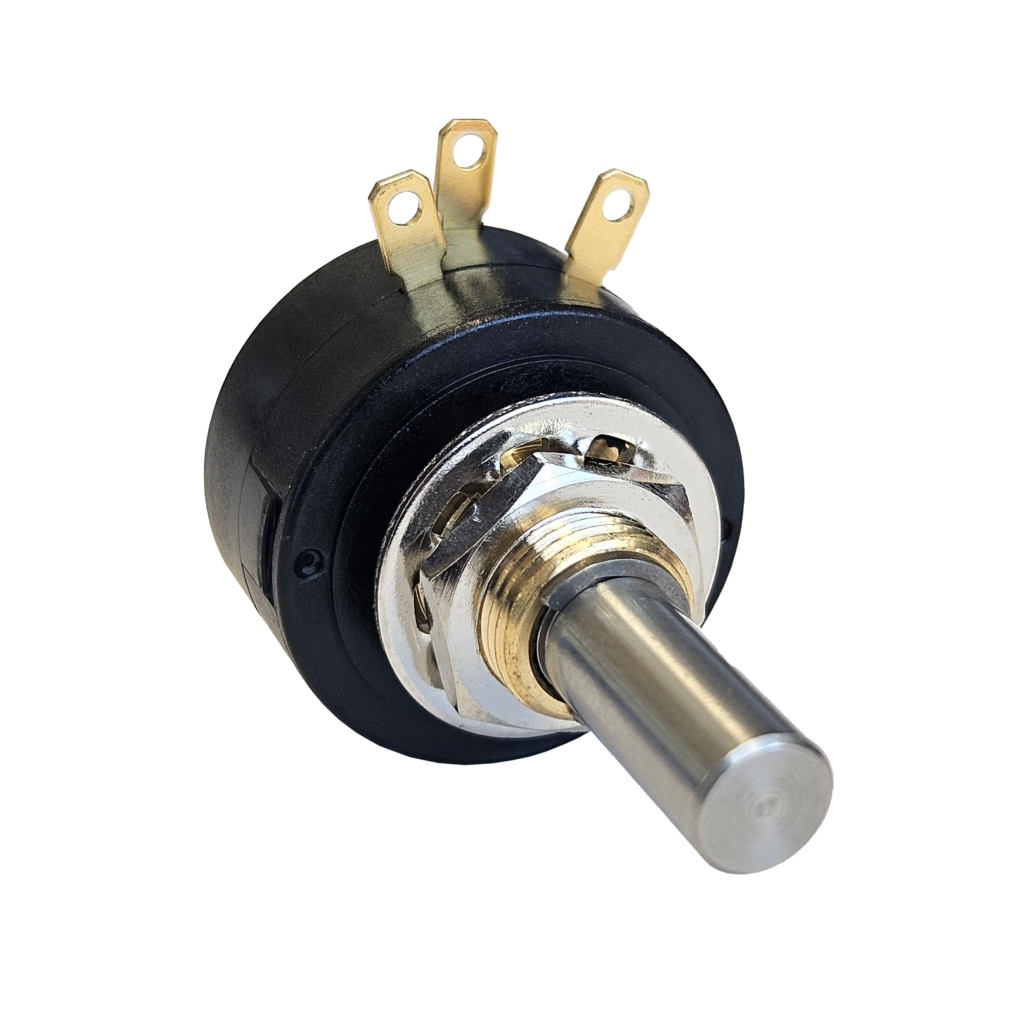
Potentiometers remain a trusted choice in industrial systems because they provide direct position feedback in a simple and usable form. They convert movement into a changing electrical signal that controllers can read for adjustment, positioning, and feedback tasks. In many applications, that simplicity is a real advantage because engineers need signals that are easy to […]
What Electrical Parameter is Controlled by a Potentiometer?

A Potentiometer helps a circuit create an adjustable electrical signal. The key point is not the part by itself, but what the circuit needs the signal to do and how that signal helps the rest of the system work. In some cases, a potentiometer lets a person adjust a setting by hand. In other cases, […]
Where Are Potentiometers Used?
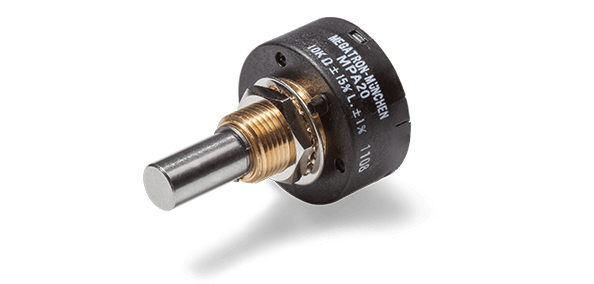
In industrial control work, potentiometers tend to disappear into the system until a signal stops behaving like a signal. A feedback loop starts hunting after a rebuild, a panel setpoint will not repeat between shifts, or a machine begins to creep at low command even though valves and mechanics check out. Those symptoms often trace […]
What Is a Potentiometer Sensor and What Is It Used For
A Potentiometer sensor measures position by converting motion into a proportional electrical signal. When a machine needs a simple way to confirm travel, angle, or knob position, this sensor is often the first option engineers consider because it is easy to integrate, easy to scale, and easy to verify during startup. If you want a quick […]
ETI Systems: Types of Potentiometers and Their Applications
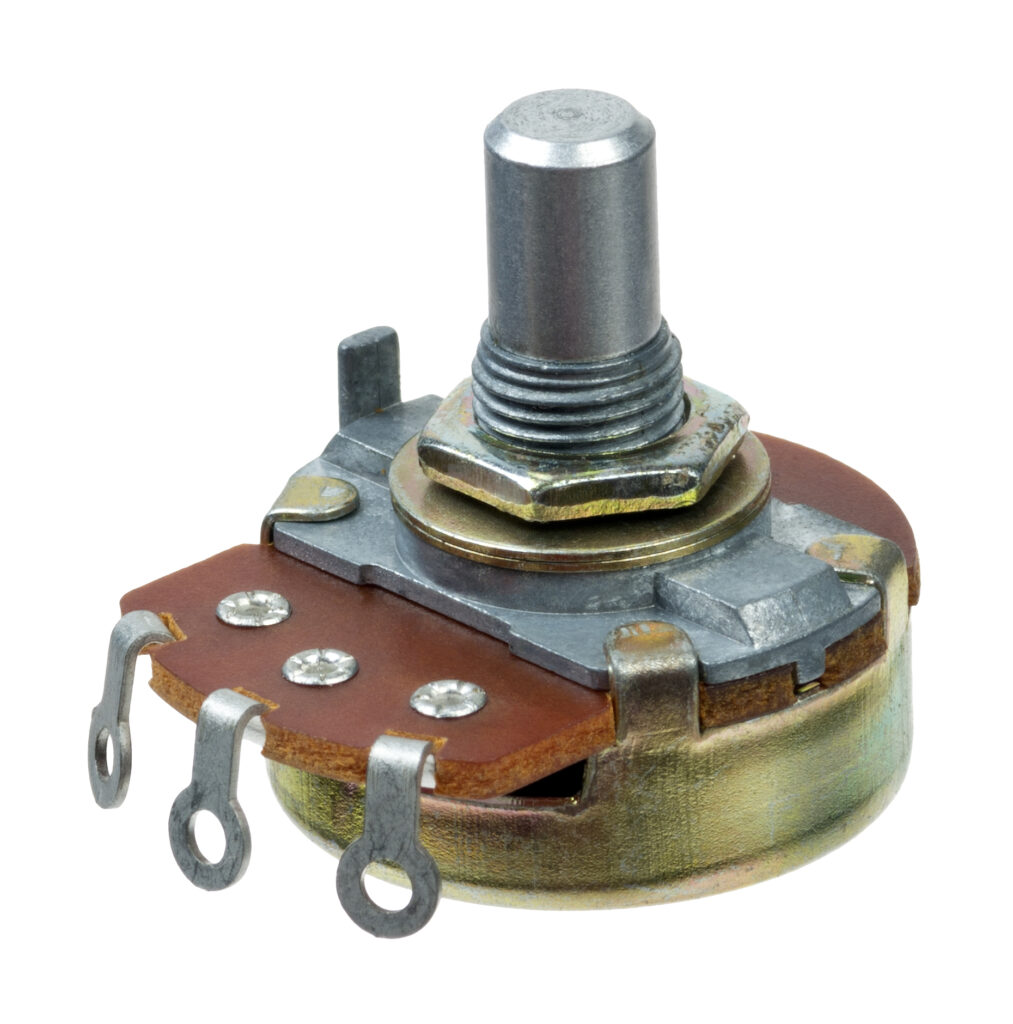
A Potentiometer helps a control system understand position without adding complexity to the machine. When the signal is stable, tuning is faster, limits behave predictably, and troubleshooting stays grounded in measured data instead of guesswork. The selection for the right Potentiometer for your application should start with the type of motion you are measuring and the real […]
ETI Systems: Industrial Applications of Rotary Potentiometer

A rotary potentiometer is used when a controller needs a continuous angle value from a turning shaft. You see it behind operator knobs and dials, on valve and damper linkages, and on adjustment shafts where the machine must return to the same setting shift after shift. The output can be straightforward, but the result depends on […]
What are the Applications of a Potentiometer?
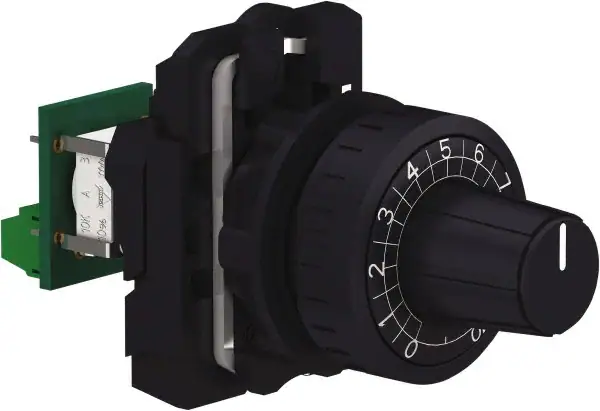
When we choose position feedback, we are deciding how the controller will “see” the mechanism during every cycle. The real requirement is a position value that stays stable under vibration, temperature change, and electrical noise while motors and drives are running. When that value is stable, we can set limits with confidence, tune motion without […]
Rotary Potentiometer Working Principle
A rotary potentiometer converts the angle of a shaft into a proportional voltage by moving a wiper across a resistive track. The output changes with the supply voltage. This helps the controller maintain a steady scale, even when the supply changes. Potentiometers are easy to repair and check, making them a reliable option for industrial feedback. The […]