
How to Use a Potentiometer as a Variable Resistor?
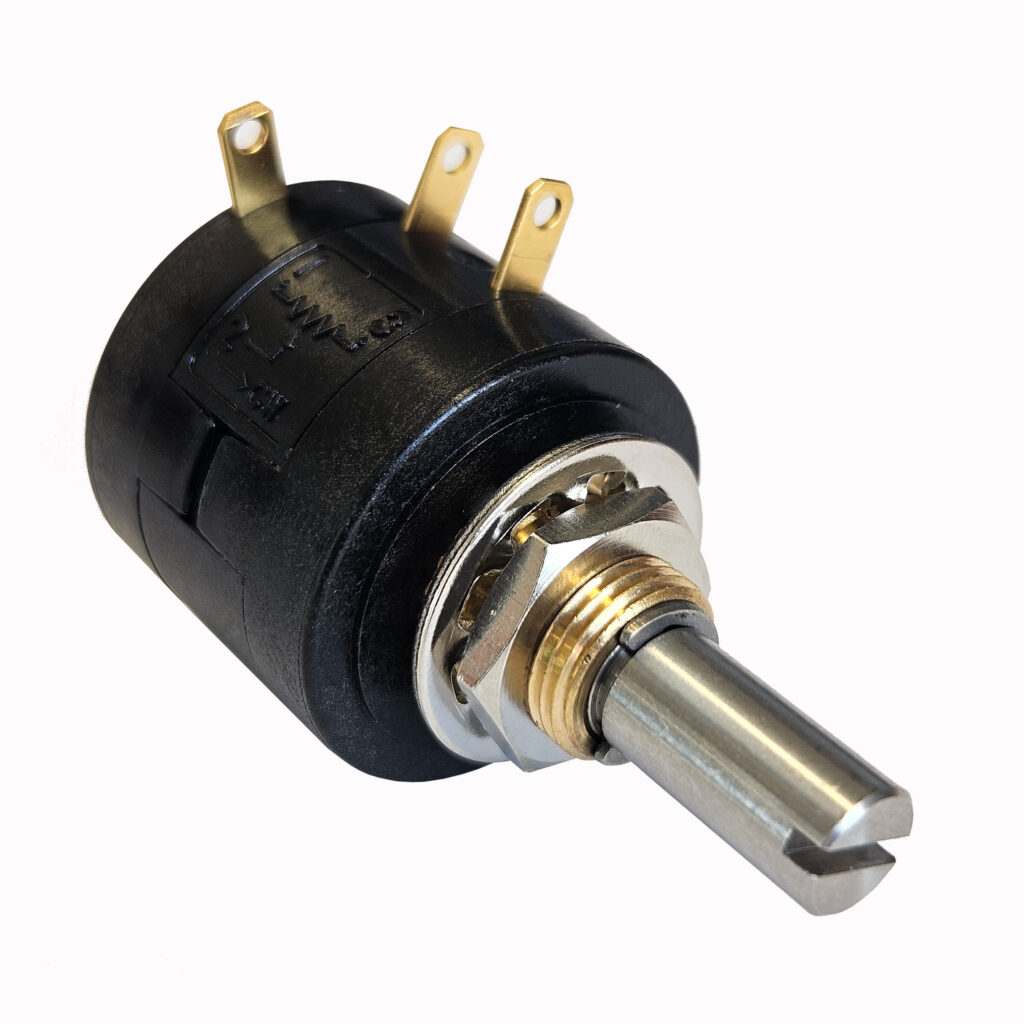
A Potentiometer becomes a Variable Resistor the moment you wire it using only two of its three terminals, the wiper and one end terminal, leaving the third terminal disconnected or tied back to the wiper. This configuration, commonly called rheostat mode, turns a device normally used to divide voltage into a straightforward series resistance that […]
What Type of Resistor Operates by Moving the Wiper Arm With a Screw of Some Number of Turns?
A multi-turn Potentiometer is the resistor that answers this exact question, using a precision screw or lead screw to move its wiper arm across a resistive track through anywhere from three to twenty or more complete turns. Standard rotary potentiometers cover their full resistance range in less than one turn, while this specialized Variable Resistor […]
How to Wire a Potentiometer as a Variable Resistor?
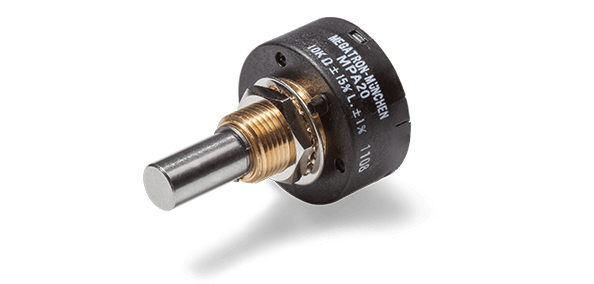
Wiring a Potentiometer as a Variable Resistor only takes two of its three terminals: the wiper, plus either one of the two outer terminals. Leave the remaining outer terminal disconnected, or tie it to the wiper as a safeguard, and the part now behaves as a simple, adjustable resistance in series with your load rather […]
Why Do We Prefer Potentiometers With Longer Wires?
Stretch a Potentiometer’s wire out longer, and the voltage drop that happens across each unit of length gets smaller. Electricians call that the potential gradient, and a smaller gradient is exactly what makes the device more sensitive. Here’s why: the wiper still moves the same tiny amount either way, but on a longer wire, that […]
How to Increase the Sensitivity of a Potentiometer?
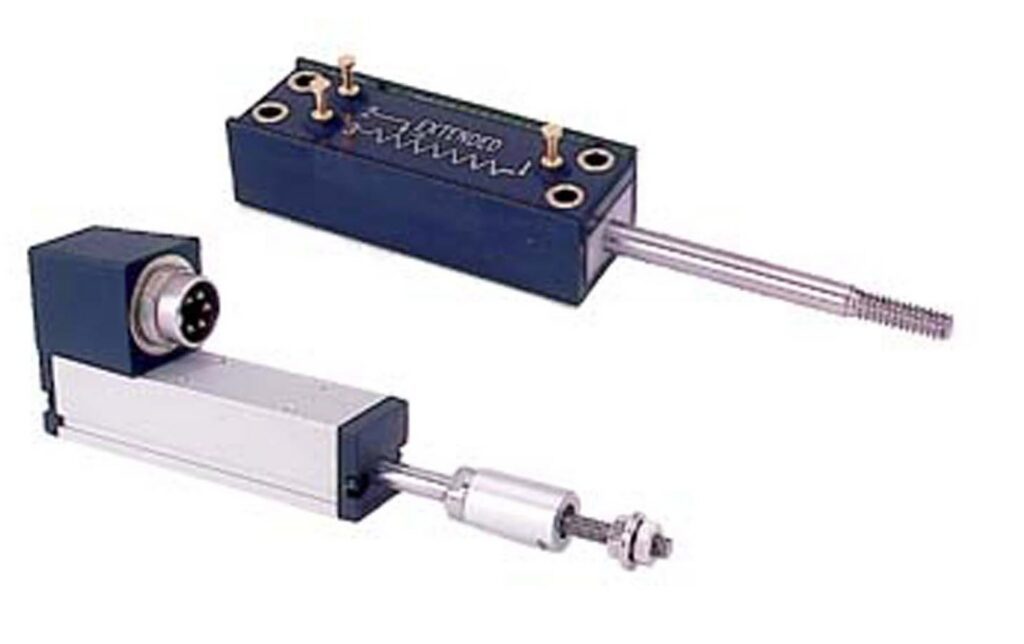
Sensitivity in a Linear Potentiometer simply means how well the output responds to small movements of the wiper. A few things control this: what the resistive element is made of, how many turns the potentiometer has, how it’s wired, and what happens to the signal after it leaves the potentiometer. Improving sensitivity usually means looking […]
Why Does a Potentiometer Have 3 Terminals?
A potentiometer has three terminals because its job is to divide voltage, and not just to resist current. Two of those terminals sit at opposite ends of a resistive track, fixed in place. The third connects to a wiper, a moving contact that slides along that track and taps an output voltage from wherever it […]
What Type of Variable Resistor Changes the Resistance Proportionally Throughout Its Range?
A linear taper Potentiometer is the answer. As the wiper moves, resistance builds at a constant rate the entire way through its range, so a 10 percent movement always produces a 10 percent change in resistance. That consistency is what “proportional” means here: equal movement produces equal change, with no curve, no jump, and no […]
Why Is a Potentiometer Better Than a Voltmeter?

A Potentiometer earns its reputation against a voltmeter for one reason: it measures a voltage without drawing current from the source. By balancing the unknown voltage against a known, adjustable reference until no current flows, it reads the true value, while a voltmeter, which always draws some current, can pull its own reading below that […]
How Does a Potentiometer Control Voltage?
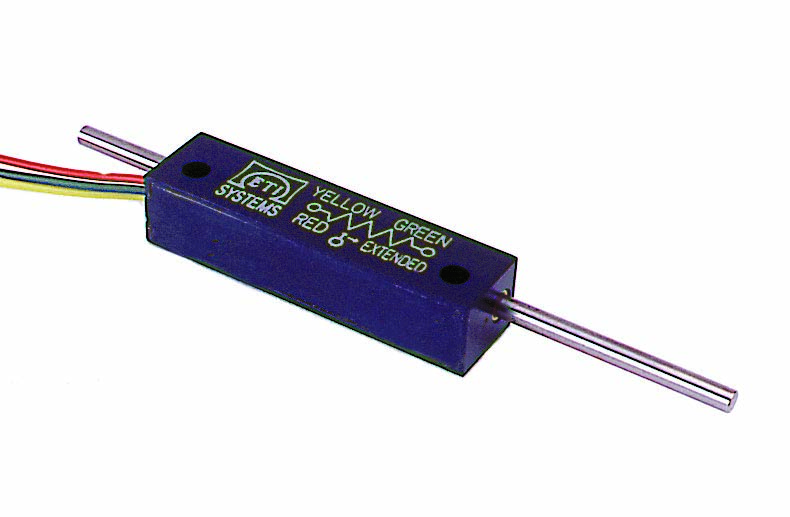
A Potentiometer controls voltage by splitting an input into an adjustable fraction, taking a fixed supply at its ends, and handing back a smaller, selectable voltage at its wiper. That simple action sits behind volume knobs, dimmers, calibration trimmers, and the position feedback used across industrial equipment. The same principle drives a Rotary Potentiometer, where […]
How to Choose Potentiometer Resistance
Picking a resistance value for a Potentiometer looks like a single-number choice, yet that one figure ties together loading, power draw, noise, and signal quality across the whole circuit. Set it too high and a downstream input pulls the output off its true value; set it too low and the part wastes current and heats […]