
What Is the Maximum / Minimum Linear Speed of an Industrial Actuator?
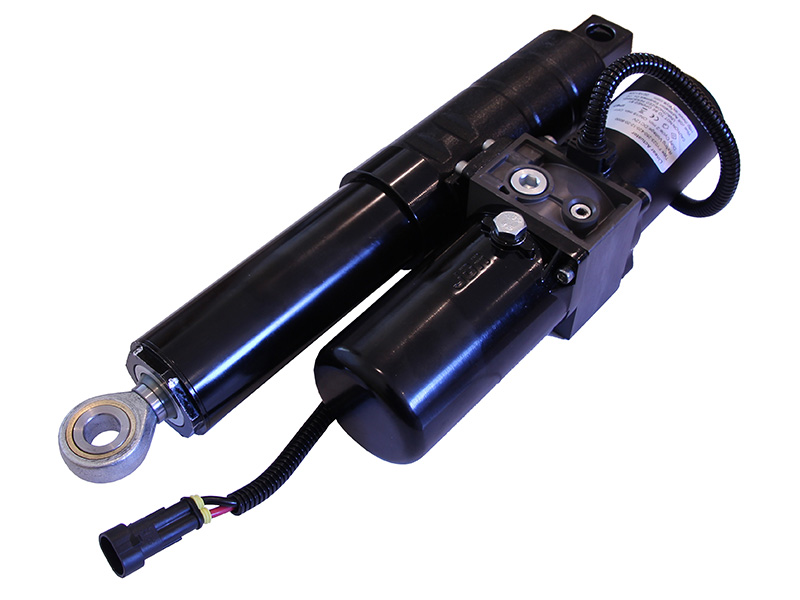
Speed for an Industrial Actuator spans a wide range depending on type and design, from roughly 0.5 mm/s in slow, high-precision applications up to 2 m/s or more in fast-cycling industrial automation, and occasionally higher still in specialized servo systems. There’s no single “correct” speed, and the number printed on a spec sheet rarely matches […]
What Are the Benefits of US-Based Support for Industrial Automation Equipment?
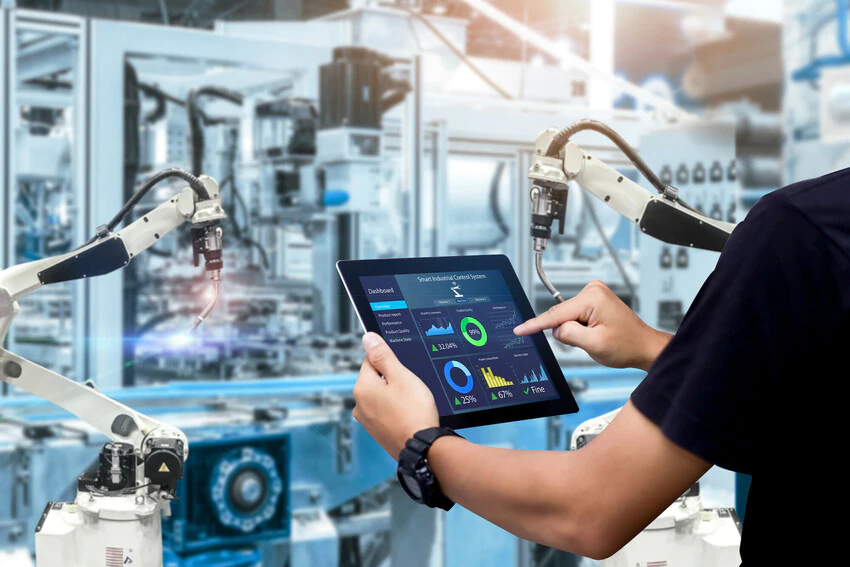
Support quality has a direct effect on how well Industrial Automation equipment performs over time. In many facilities, the challenge is not only selecting the right controller, sensor, actuator, or feedback component. The larger issue is what happens when the system needs technical guidance, replacement parts, integration help, or troubleshooting support while production is running. […]
What Are the 3 Major Systems Used in Industrial Automation?
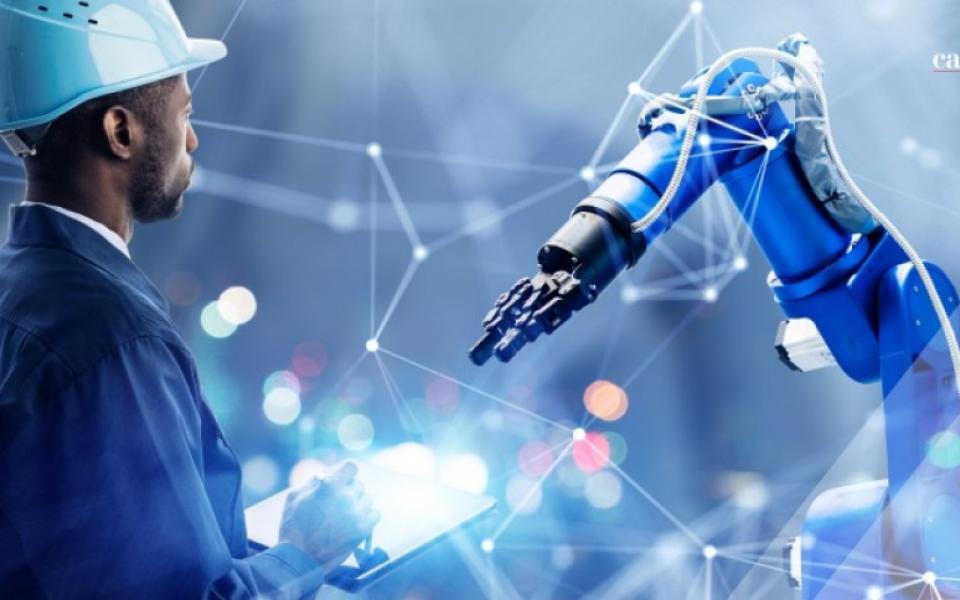
Modern production depends on systems that can monitor conditions, make control decisions, and carry out movement or process changes with consistency. Industrial Automation brings these functions together so equipment can operate with less manual intervention and more stable performance. Instead of relying on people to adjust every step, automated systems use connected hardware and control […]
Joystick-Controlled Industrial Automation System
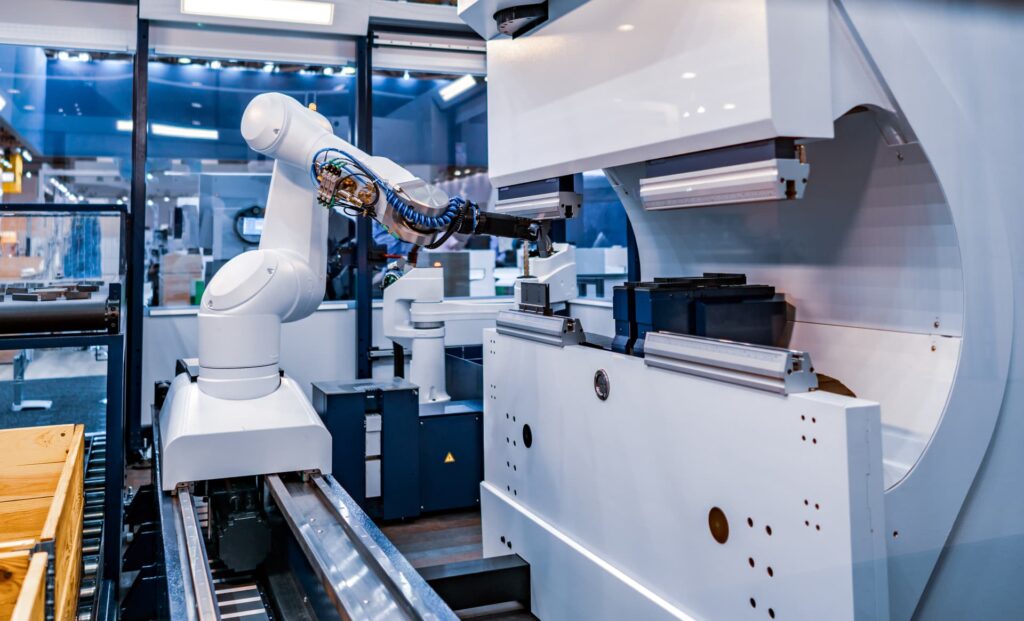
A joystick-controlled cell proves its control quality at low command and during state changes, where neutral stability, small-signal resolution, and response consistency determine whether motion remains predictable. If a small input produces a step change in speed, if neutral does not hold during load switching, or if response varies from one station to the next, […]
Types of Automotive Actuators
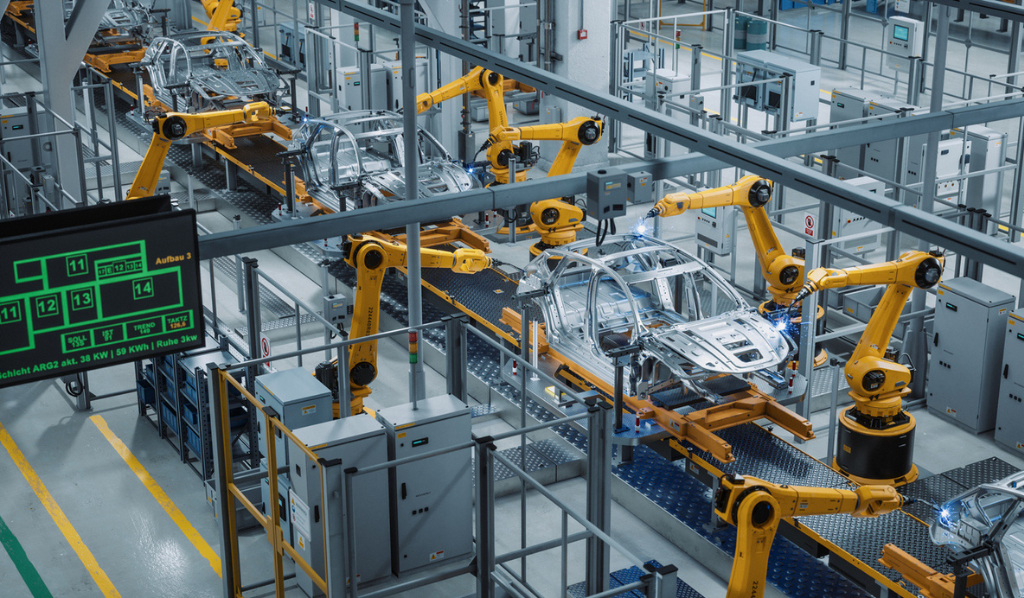
Automotive motion control is a chain of decisions that starts at the command and ends at a mechanical outcome. Whether the goal is to meter air, regulate pressure, position a flap, or move a linkage, the actuator is the part that converts an electrical or fluid command into force and travel. The type matters because […]
What Are the Advantages of Advanced Industrial Automation Systems?
In production environments, the costliest losses usually come from small control inconsistencies that compound over time. They show up as micro-stops, quality drift, slow changeovers, and troubleshooting that depends on who is on shift. Advanced Industrial Automation Systems reduce those losses by turning process behavior into controlled, measurable routines. That includes consistent sensing and actuation, […]
Which Major Systems Are Used in Industrial Automation?
Major Systems That Power Industrial Automation Modern manufacturing depends on industrial automation to deliver consistent quality, predictable throughput, and safe operation at scale. From material handling and motion control to sensing, actuation, and supervisory control, automation systems replace manual variability with repeatable logic that can be measured, tuned, and audited. Understanding how these systems work together […]
What Are the Types of Industrial Automation? A Complete Guide
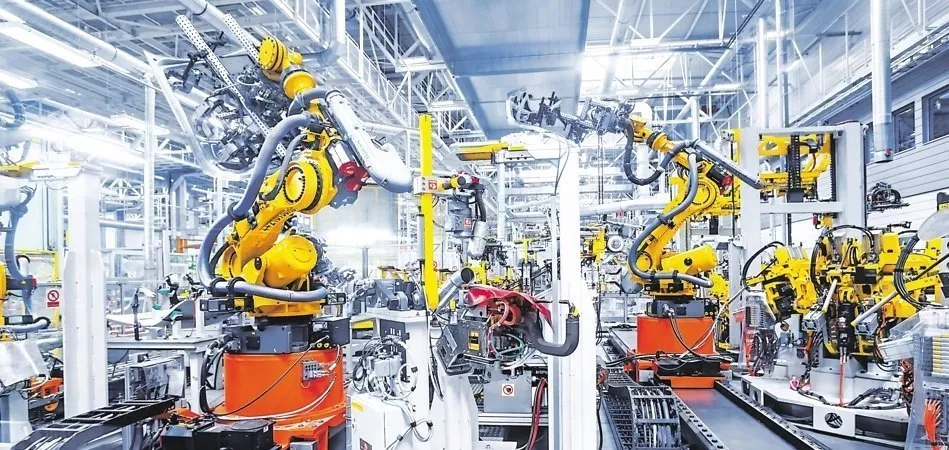
Industrial Automation is what keeps a line steady when people rotate, demand shifts, and the work still has to come out consistently. It covers everything from a single station that repeats one motion all day to a connected line that shares status, alarms, and production numbers across multiple machines. When you understand the type you are […]
What Is an Industrial Actuator and How Does It Work in Automation Systems?
Automation has revolutionized the way industries operate, improving efficiency, reducing human error, and increasing productivity. One of the key components driving automation systems is the industrial actuator. These devices play a crucial role in converting energy into mechanical motion, enabling systems to perform various tasks autonomously. In this blog, we will explore what industrial actuators […]
The Robustness of Industrial Actuators: A Look at ETI Systems’ Offerings
The Robustness of Industrial Actuators: A Look at ETI Systems’ Offerings As industrial systems become more advanced, our expectations for their components continue to grow. Actuators have evolved from being mere accessories to essential links between control and motion. When they perform poorly, the entire system suffers. At ETI Systems, we collaborate with engineers who […]