
Industrial Automation is what keeps a line steady when people rotate, demand shifts, and the work still has to come out consistently. It covers everything from a single station that repeats one motion all day to a connected line that shares status, alarms, and production numbers across multiple machines. When you understand the type you are dealing with, you can predict how it will behave during changeovers, what it needs from operators, and where it can break down under pressure.
A practical way to understand industrial automation types is to look at how the process behaves on the floor. Does the process stay the same for months, or does it change every week? Do you run one product, or many variants? Do operators need to tweak settings during the shift, or should the system run the same cycle every time? The sections below answer those questions through the main automation types you will see in plants.
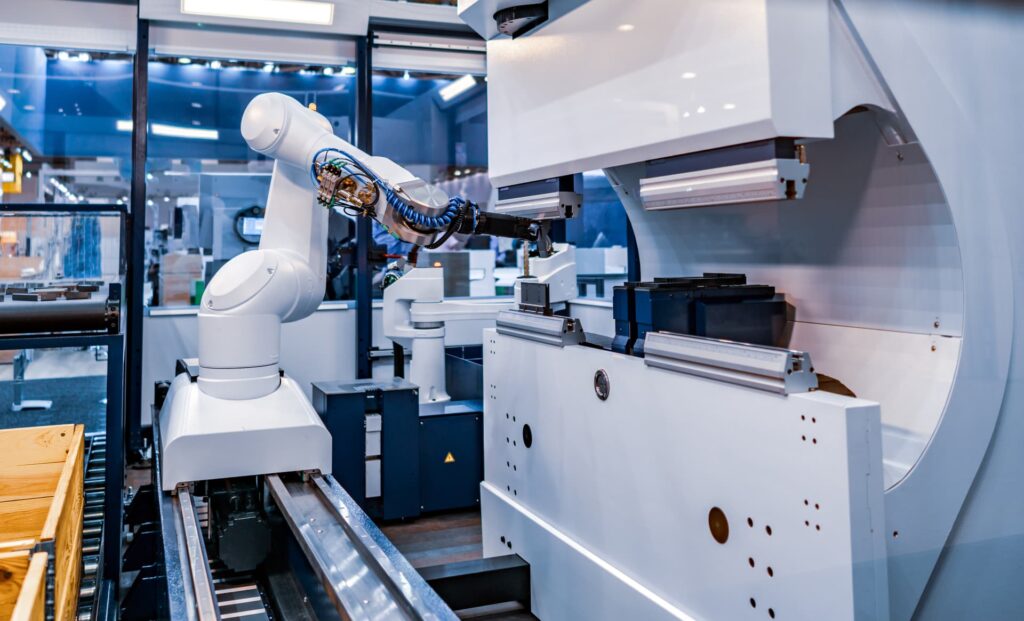
Fixed automation is the classic “dedicated line.” The equipment and tooling are set up to repeat one sequence with the same motion and the same timing, cycle after cycle. You see it in transfer lines, dedicated assembly stations, and high-volume operations where the part and the process stay stable for long stretches. Because the steps do not change, output can stay uniform, and the line can run at a reliable pace.
This type holds up best when variation stays small. If a part design changes frequently, or if packaging and routing change every week, the line spends too much time being modified. Before committing, plants usually document the expected part range, identify the few dimensions or features that must stay tight, and set a maintenance routine that keeps tooling, alignment, and cycle timing consistent.
Programmable automation runs a defined sequence through a controller, then allows that sequence to be changed for the next batch. It is common in batch processing, packaging, and manufacturing cells that handle multiple variants. A changeover might mean loading the next recipe, adjusting a small set of parameters, and swapping fixtures or tooling that match the new run.
Where this type either feels smooth or painful is the changeover routine. The best setups keep programs organized in the same pattern, keep parameters in one place, and use a short checklist after every change. That checklist can stay simple: confirm sensors read correctly, confirm motion hits the intended positions, and confirm the first parts meet spec before production ramps.
Flexible automation is used when product changes are frequent, and the plant cannot afford long interruptions. The equipment is arranged so switching between variants takes minutes, not hours, often through quick change tooling, stored settings, and repeatable reference points. You see it in operations where the weekly schedule swings between different SKUs, sizes, or configurations.
This type runs best when the variants share a common “skeleton.” If parts use the same handling method and the same reference surfaces, the line changes only a few settings per run. Plants also protect output by using first part checks after every switch, because that is where alignment issues, timing drift, or a missed parameter show up first.
Integrated automation connects stations so operators can see status and faults across the line, not just on one machine screen. That matters when one station quietly creates a problem that only shows up later, like a small upstream variation that becomes scrap downstream. With shared visibility, the floor can trace where the issue started and respond sooner.
Integration stays useful when the information is consistent. Plants typically agree on a small set of items that drive decisions, such as stop reasons, cycle time by station, and scrap counts, then keep names, alarms, and displays uniform so people are not re-learning every screen. If you want a deeper look at efficiency impacts, read Power of Industrial Automation for Efficient Operations.
Intelligent automation uses operating data to flag early drift and guide corrective action. It can highlight unusual patterns, point to the station that is trending off, and suggest adjustments within approved limits. Operators still make the call, but the system cuts down the time between a small shift and a meaningful response.
This type is useful when minor changes add up, such as energy-heavy processes, precision production, and lines where several steps influence the final outcome. The strongest results come when plants define what “normal” looks like, set alerts that match how the process behaves in daily production, and review what happened after changes so the guidance stays grounded in actual outcomes. For deeper context, read Industrial Automation Systems: Unleashing the Power of Industrial Automation Systems.
Industrial automation is used to keep output consistent, reduce manual steps, and improve safety and throughput through machine-controlled processes.
Choose based on product stability, volume, changeover frequency, and how much adjustment the floor needs during daily production.
Fixed industrial automation fits best when the product stays stable, volume is high, and dedicated tooling can run for long periods without frequent changes.
Flexible industrial automation is practical when variants share handling methods and the line has fast checks after each changeover to confirm positions and quality.
Industrial automation reduces manual tasks, but skilled operators remain essential for supervision, safe operation, maintenance, and changeovers.