
How Does a Potentiometer Control Voltage?
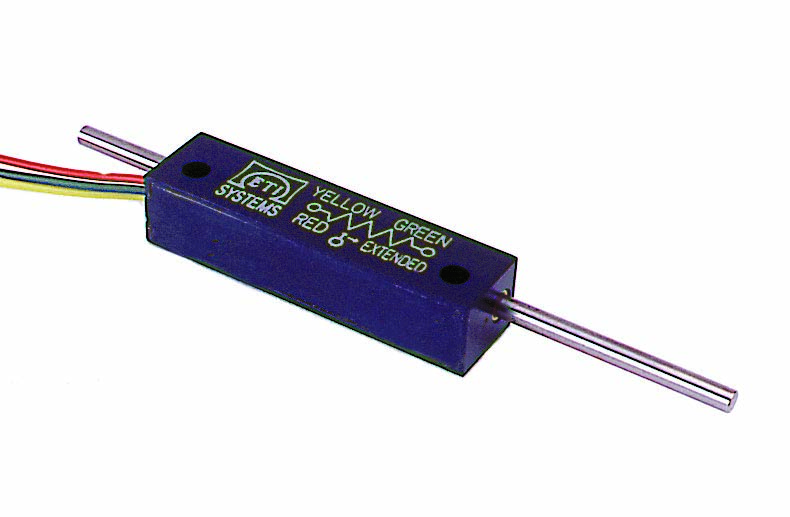
A Potentiometer controls voltage by splitting an input into an adjustable fraction, taking a fixed supply at its ends, and handing back a smaller, selectable voltage at its wiper. That simple action sits behind volume knobs, dimmers, calibration trimmers, and the position feedback used across industrial equipment. The same principle drives a Rotary Potentiometer, where […]
How Rotary Potentiometers Function in Position-Sensing Applications
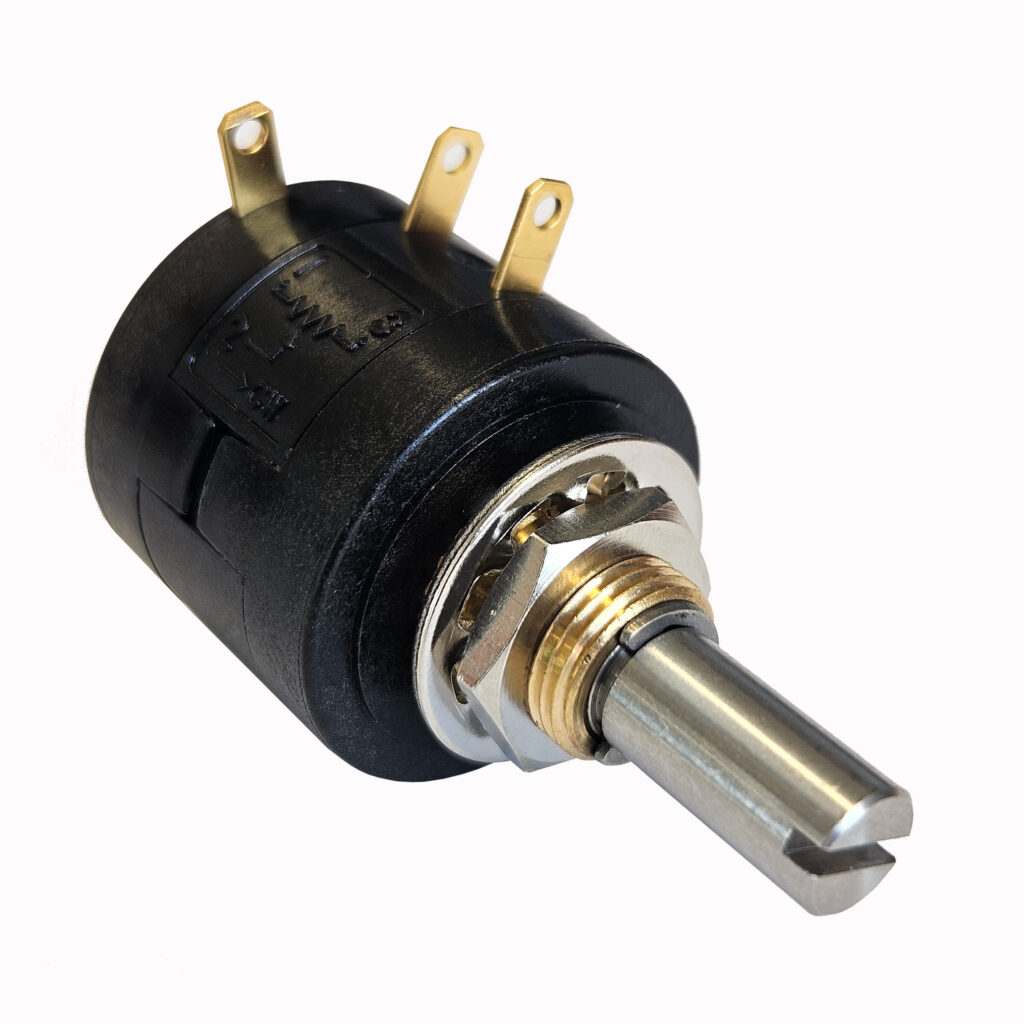
A Rotary Potentiometer converts the rotation of a shaft into an electrical output that can be read by a circuit, controller, or machine-control system. As the shaft rotates, the internal wiper moves across a resistive element and changes the output in accordance with the position. This simple mechanical-to-electrical relationship makes the device useful when equipment […]
ETI Systems: Industrial Applications of Rotary Potentiometer

A rotary potentiometer is used when a controller needs a continuous angle value from a turning shaft. You see it behind operator knobs and dials, on valve and damper linkages, and on adjustment shafts where the machine must return to the same setting shift after shift. The output can be straightforward, but the result depends on […]
What Electrical Parameter is Controlled by a Rotary Potentiometer?
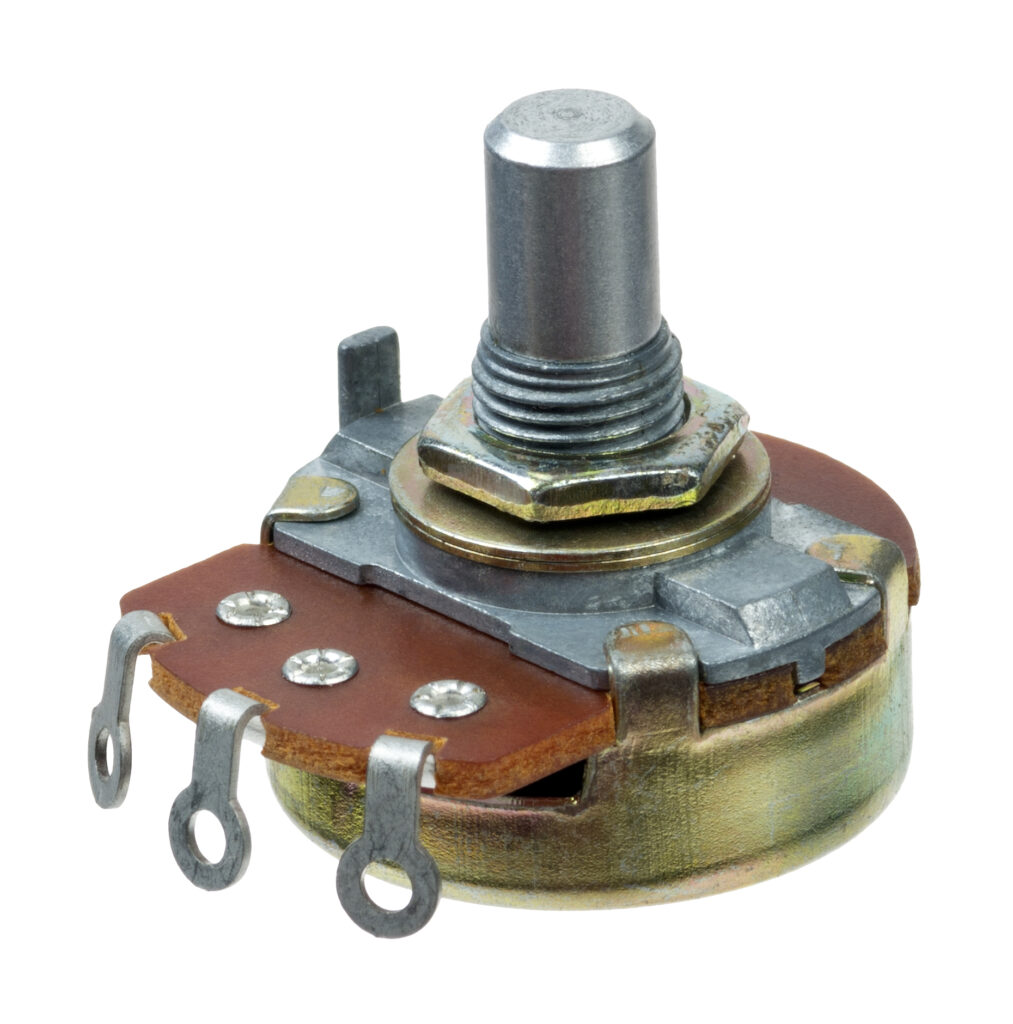
In most automation panels, the potentiometer is used to control a single electrical parameter that the controller can measure and act on. That parameter is the wiper voltage, which becomes a command or a position value once the analog input converts it into counts. The reason this works well in industrial systems is simple. A […]