
What Are the Best Control Valves for Fan Coil Unit Applications in Commercial Buildings?
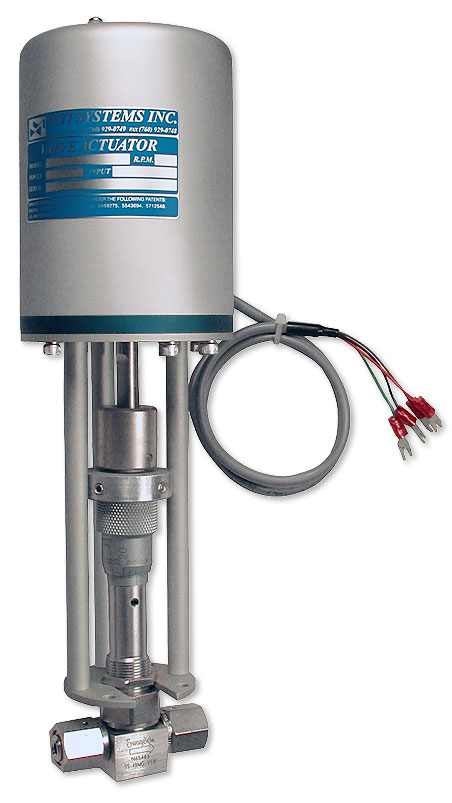
Get fan coil valve selection right, and it comes down to two decisions working together: a properly sized two-way modulating valve body, and an Electric Valve Actuator matched to the correct fail-safe position and control signal. Skip either one, and you end up with the classic problems: a redundant balancing valve nobody needed, an oversized […]
What Does a Power Valve Actuator Do?
A Valve Actuator takes power from an outside source, such as electric current, compressed air, or hydraulic fluid, and turns it into the physical force that opens, closes, or adjusts a valve. It replaces someone standing there turning a handwheel with a system that can be controlled remotely. That’s really the whole job: take a […]
What Are the Best Options for Sourcing Replacement Parts for Valve Actuators in Industrial Applications?
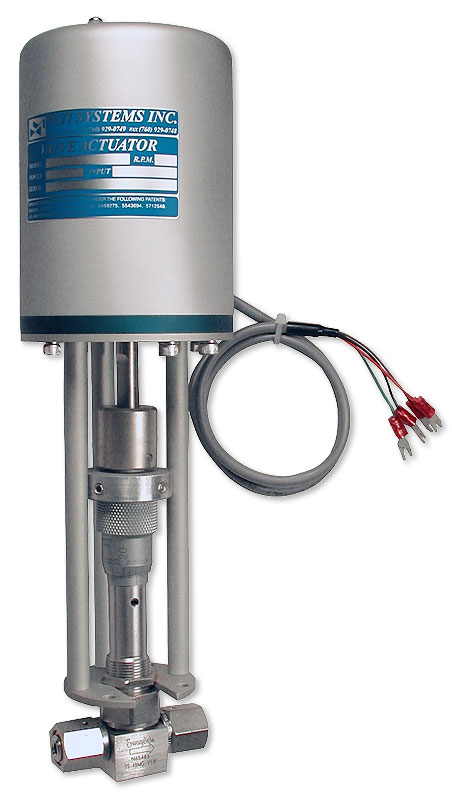
Finding replacement parts for an Industrial Actuator gets harder the longer that equipment stays in service. OEM support windows close well before the actuator itself wears out, leaving maintenance teams to weigh several sourcing paths at once: original manufacturer channels, distributor networks, cross-reference tools, and custom rebuilds. The right choice depends on the actuator’s age, […]
Which Valve Actuators Are Most Reliable for HVAC Systems in Commercial Buildings?
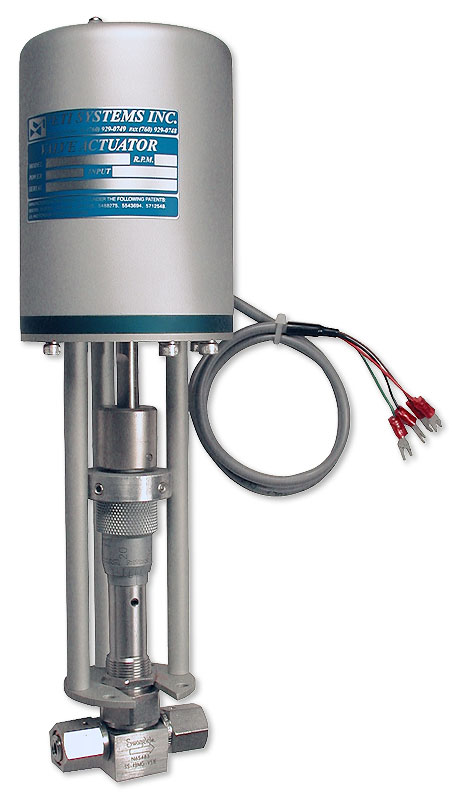
Commercial HVAC systems depend on control that stays steady across long operating hours, changing load conditions, and repeated cycles. In these systems, Valve Actuators do more than open or close a valve. They help control flow, support temperature regulation, and keep the system responding in a stable way across daily operation. That is why reliability […]
ETI Systems: Custom Valve and Actuator Assembly
Valve control works best when the valve, the drive method, and the movement requirements are treated as one system instead of separate parts. That is where a well-matched Actuator assembly becomes important. In many industrial applications, the challenge is not simply moving a valve from open to closed. The real job is to deliver the […]
Proportional Valve Actuators vs On/Off Control in Process Automation
A Valve Actuator affects more than valve movement. It affects how steadily a process holds flow, how often the system has to correct itself, and how efficiently the equipment operates over time. In process automation, the difference between proportional control and on/off control becomes visible in real operating conditions, especially when demand changes, loads shift, […]
Use of Motorized Valves With Actuator

Field failures in motorized valves usually trace back to a mismatch between how the valve behaves in service and how the drive was selected and commissioned. The valve looks right on paper, but the drive is asked to push through breakaway torque, seat friction, and line conditions that were never tested at start up. When […]
Which Valve Actuator Works Best for Building Automation Systems That Need Reliable Options
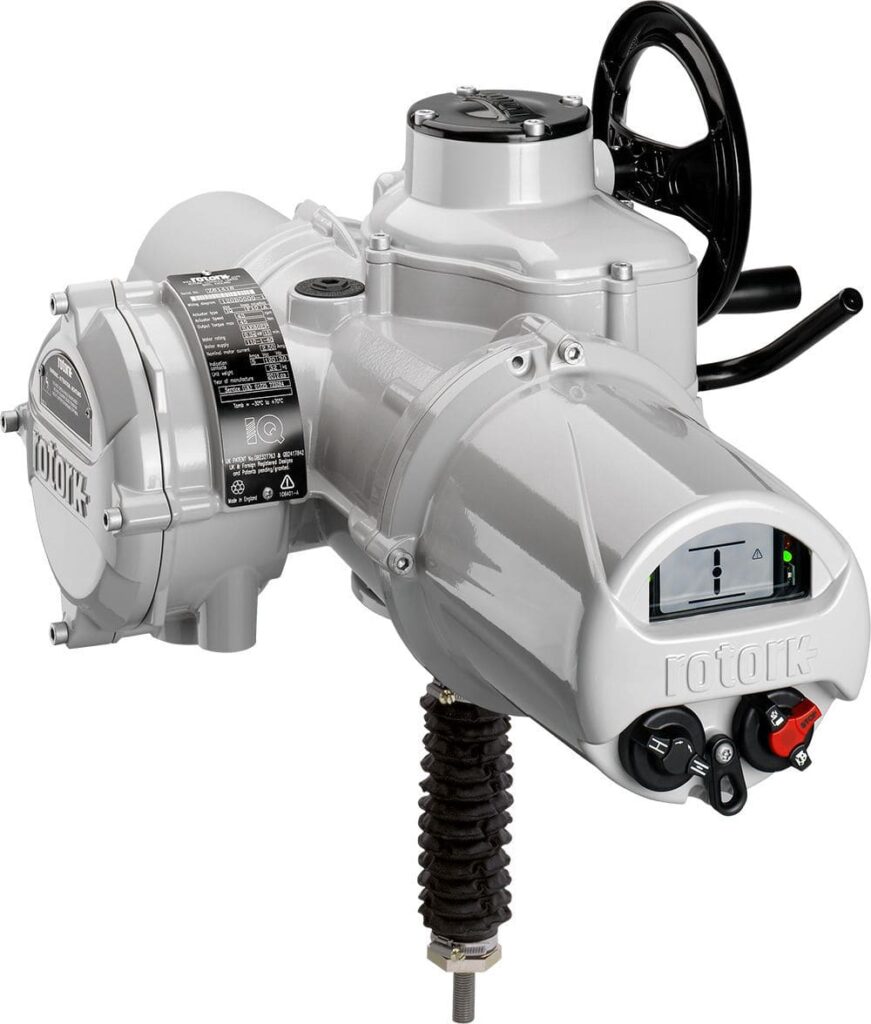
A building automation system depends on controlled flow, and flow depends on a dependable actuator. When a valve actuator drifts, hunts, or fails to seat consistently, you see the impact as unstable temperatures, higher energy use, and more service calls. The best results come from choosing an actuator that matches the valve, the control signal, and […]
ETI Systems: How Digikey Simplifies Sourcing for Industrial Automation Components
ETI Systems: How Digikey Simplifies Sourcing for Industrial Automation Components ETI Systems and Digikey support a single sourcing workflow from specification to purchase order. On Digikey, ETI part numbers are mapped to normalized parametric data, so controls teams filter by the factors that truly determine performance. Real-time inventory, lifecycle signals, and a complete document pack […]
The Role of Linear Potentiometers in Optimizing Position Feedback Systems
The Role of Linear Potentiometers in Optimizing Position Feedback Systems Engineers use a linear potentiometer as a precise, ratiometric position transducer. The slider moves along a resistive element, producing a voltage that is proportional to its travel and referenced to a stable supply. When read ratiometrically, the scale remains accurate despite supply drift. Effective resolution, linearity across […]