
What Are the Best Control Valves for Fan Coil Unit Applications in Commercial Buildings?
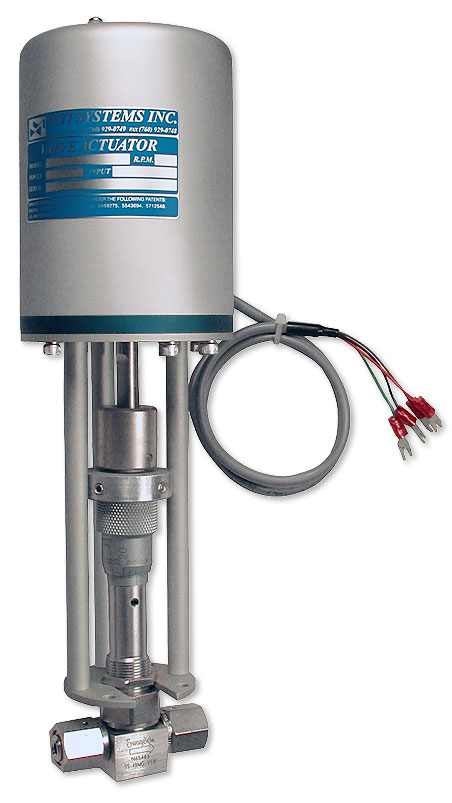
Get fan coil valve selection right, and it comes down to two decisions working together: a properly sized two-way modulating valve body, and an Electric Valve Actuator matched to the correct fail-safe position and control signal. Skip either one, and you end up with the classic problems: a redundant balancing valve nobody needed, an oversized […]
What Does a Power Valve Actuator Do?
A Valve Actuator takes power from an outside source, such as electric current, compressed air, or hydraulic fluid, and turns it into the physical force that opens, closes, or adjusts a valve. It replaces someone standing there turning a handwheel with a system that can be controlled remotely. That’s really the whole job: take a […]
How Electric Linear Actuators Produce Precise Linear Movement
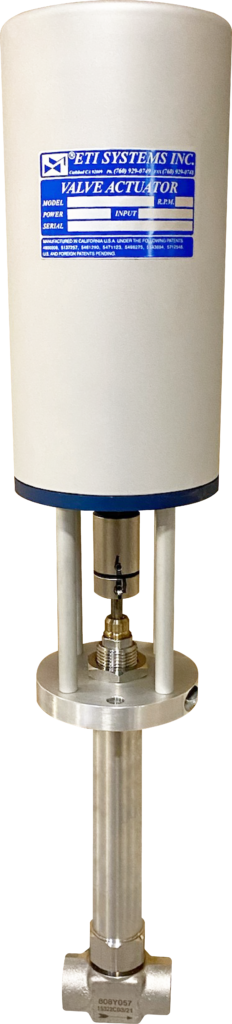
Controlled linear motion is critical in industrial equipment because many machines rely on accurate positioning, repeatable travel, and predictable mechanical response to operate properly. Whether the application is material handling, process control, automated assembly, valve actuation, or machine positioning, movement must be at the proper distance and at the proper time in the operating sequence. […]
How Electric Actuators Convert Electrical Energy Into Controlled Motion
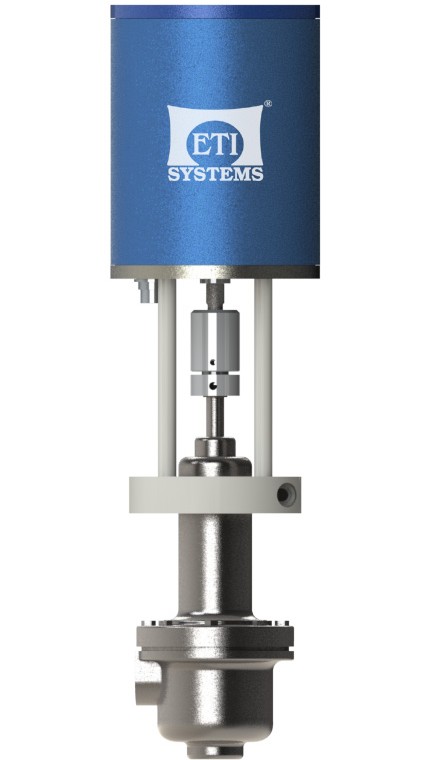
Controlled motion is key for industrial equipment, as it allows the machines to be accurate, repeatable, and responsive during motion. An electric actuator turns electrical energy into physical motion so that a system can move valves, slides, gates, dampers, positioning assemblies, or automated mechanisms with a controlled response. Within the actuator, a motor or drive […]
ETI Systems: Custom Valve and Actuator Assembly
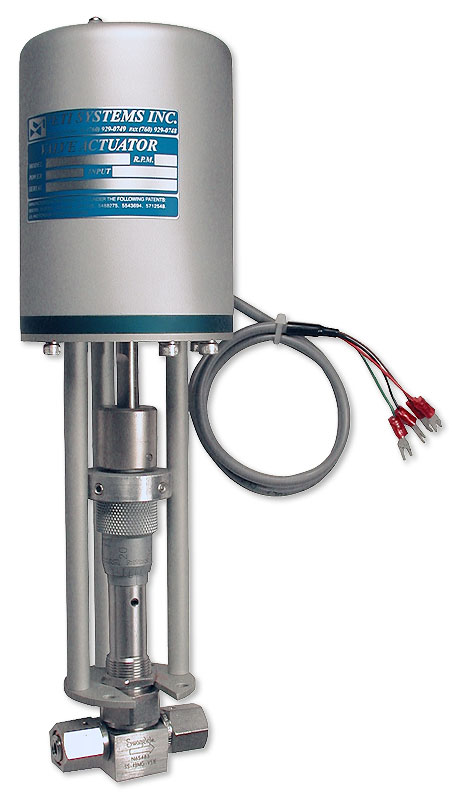
Valve control works best when the valve, the drive method, and the movement requirements are treated as one system instead of separate parts. That is where a well-matched Actuator assembly becomes important. In many industrial applications, the challenge is not simply moving a valve from open to closed. The real job is to deliver the […]
What Is an Electric Valve Actuator?
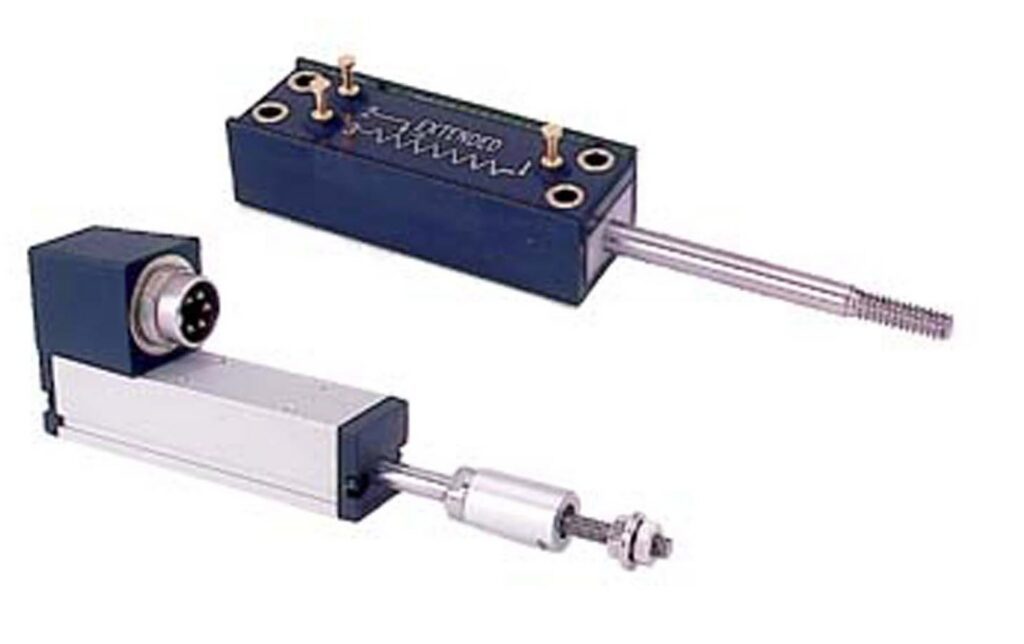
In many industrial systems, effective flow control depends on the valve moving as expected, which is influenced more by the actuator than the valve body itself. Electric valve actuators help engineers control valve position with consistent movement, faster signal response, and better process control, even when operating conditions change. That matters in systems where flow […]
Proportional Valve Actuators vs On/Off Control in Process Automation
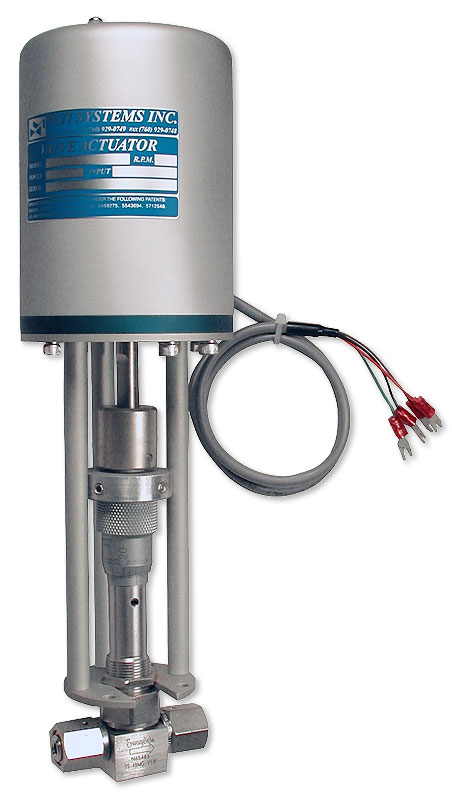
A Valve Actuator affects more than valve movement. It affects how steadily a process holds flow, how often the system has to correct itself, and how efficiently the equipment operates over time. In process automation, the difference between proportional control and on/off control becomes visible in real operating conditions, especially when demand changes, loads shift, […]
Maximizing Efficiency with Electric Valve Actuators in Industrial Automation
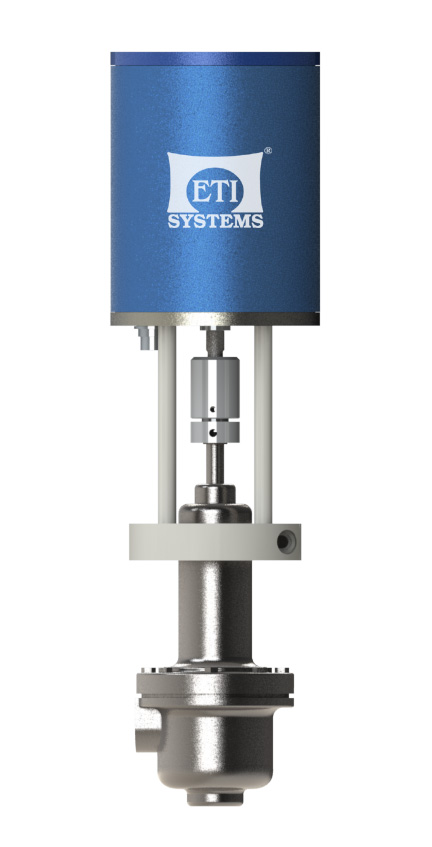
Maximizing Efficiency with Electric Valve Actuators in Industrial Automation In today’s fast-paced industrial environments, efficiency, reliability, and precision are paramount. One of the essential components for achieving these goals is the electric valve actuator. These actuators play a crucial role in automation systems, providing precise control over fluid, gas, or material flow in industrial applications. […]
The Evolution of Actuators in Modern Industry: ETI Systems at the Forefront
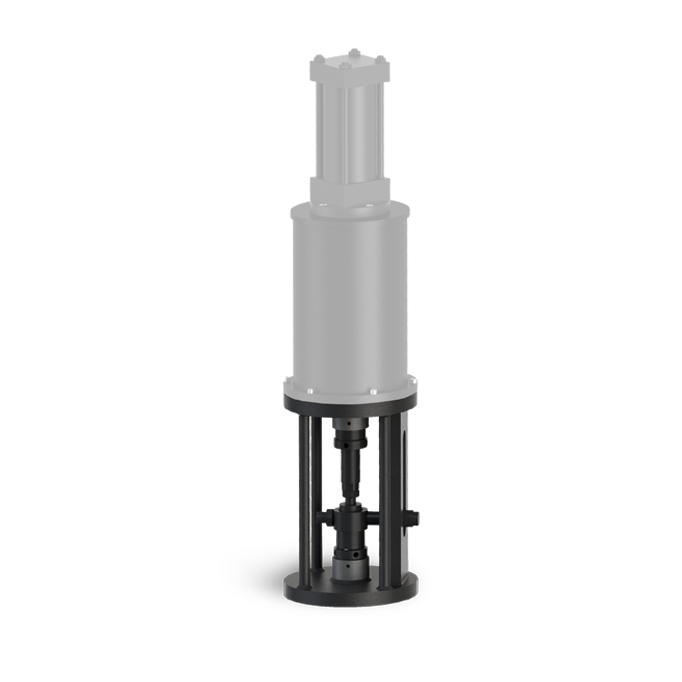
The Evolution of Actuators in Modern Industry: ETI Systems at the Forefront Industrial automation is no longer about simple motion; it’s about smart, scalable control. As systems become more complex and expectations rise, actuators must meet tighter tolerances, adapt to harsh conditions, and operate seamlessly across a range of technologies. ETI Systems has been part […]
Maximizing Efficiency in Fluid Control With Electric Valve Actuators
In modern industrial settings, electric valve actuators play a crucial role in optimizing fluid control processes. These devices not only improve system precision, but also contribute to significant operational efficiency and reduced maintenance costs. This blog will explore the ways electric actuators enhance fluid control systems, increase reliability, and minimize downtime. By understanding the advantages […]