
A building automation system depends on controlled flow, and flow depends on a dependable actuator. When a valve actuator drifts, hunts, or fails to seat consistently, you see the impact as unstable temperatures, higher energy use, and more service calls. The best results come from choosing an actuator that matches the valve, the control signal, and the duty profile, then proving performance with a few simple checks during commissioning.
Reliability in HVAC control is usually shaped by practical details. The actuator has to deliver enough torque to move the valve across real differential pressure, it has to survive frequent modulation, and it has to hold position without constantly correcting. When you make the selection with those realities in mind and document a baseline after startup, you reduce nuisance alarms and keep the system stable through seasonal changes.
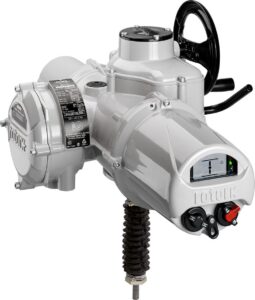
A BAS uses actuators to control heating, cooling, and air handling through valves that modulate continuously. That means the actuator is not only opening and closing. It is making small position changes all day, responding to demand, and holding steady when the loop is stable. In that environment, precision and repeatability matter as much as torque.
A good selection starts with how the actuator will be controlled. Confirm whether the system uses floating control, analog modulation, or a networked command, then align the actuator output and feedback options to that approach. If your team wants a structured way to think through sizing and control choices, Choosing the Right Valve Actuator is a useful guide to walk through those decisions and keep them consistent across projects.
For building systems, the actuator must survive high cycle counts and maintain a predictable response as temperatures change. Look closely at duty cycle expectations, ambient temperature range, and whether the actuator will see vibration from nearby fans or pumps. If the install area is a mechanical room with humidity or washdown exposure, environmental protection becomes part of reliability.
It also helps to match the actuator response to how the valve behaves. Valves have friction, stiction, and seating behavior that can make an actuator look unstable even when the control logic is fine. When the actuator has enough torque margin and the linkage is rigid, the loop settles faster and stays quieter. Many of the same sizing and reliability principles apply beyond HVAC, and Choosing the Right Industrial Actuator: Key Considerations and Best Practices is a good next read for teams that want a deeper view of how actuators behave under real duty.
The valve type sets the mechanical load. Different valve bodies, trim styles, and sizes can change the required torque significantly, especially under higher differential pressure. Sizing is strongest when you base it on real operating conditions, not only nameplate valve size.
In practice, teams avoid trouble by leaving a torque margin and validating movement at the extremes of expected pressure. If the actuator is working near its limit, small changes in valve friction or system pressure can cause slow response and inconsistent seating. This is one of the most common reasons a BAS loop becomes noisy over time.
Most building automation applications need smooth modulation. If the controller is sending an analog signal, the actuator should respond predictably across the full working band and hold position without jitter. If the system uses floating control, stroke time and repeatable travel become the key.
Feedback can also reduce service risk. When position feedback is available, a BAS can detect drift, confirm travel, and identify mechanical binding earlier. That makes commissioning more accurate and troubleshooting faster because you can separate a sensor issue from a mechanical issue with fewer site visits.
Commissioning is where reliability is proven. After installation, confirm that the valve reaches both endpoints, seats consistently, and returns to the same positions from both approach directions. Record actuator response through the working range so you have a baseline when performance is questioned later.
A short acceptance routine usually covers endpoint verification, stroke time, and stable holding under load. Save those results with the part number and location. When a building shifts from cooling season to heating season, that baseline makes it easier to confirm whether a comfort issue is control tuning, valve behavior, or an actuator that is no longer tracking correctly.
Building portfolios benefits from standardization. When the same actuator families are used across similar valve sizes and zones, spares management gets easier, and technicians learn one commissioning routine that works everywhere. Standardization also reduces errors during replacements because wiring and control expectations remain consistent.
A valve actuator choice that supports easy service is usually the one that reduces operating cost over time. Prioritize mounting approaches that allow replacement without rework, connectors that simplify field wiring, and documentation that keeps scaling and baseline checks attached to the asset record.
ETI Systems supports motion and control component needs with an engineering mindset that focuses on stable behavior in real-world duty. For building automation projects, teams benefit when actuator selection includes practical sizing, clear signal alignment, and repeatable commissioning checks that make service predictable.
If you want to explore actuator fundamentals in more detail, Valve Actuator is a helpful place to start and connects directly to selection and service considerations used in building automation. When engineering and maintenance share the same baseline checks and selection standards, building automation systems run smoothly, and issues are resolved faster.
Start with valve type, required torque under real differential pressure, and the control signal used by the BAS. Then confirm the duty cycle and environmental exposure so reliability holds through seasonal changes.
Undersized torque margin and poor linkage alignment are common issues. They lead to inconsistent seating, slow response, and control loops that hunt or drift.
Feedback helps when you need better diagnostics and repeatability. It allows the system to confirm travel, detect drift, and reduce troubleshooting time when comfort issues appear.
Verify endpoints and seating, confirm stroke time under load, and record a baseline response through the working range. Save the baseline so future service can compare performance quickly.
Standardize actuator types across similar zones, keep torque margin, document scaling, and store baseline checks with the asset record. These steps reduce variability and make troubleshooting faster.