
A linear potentiometer acts like a voltage divider that moves with your mechanism, so the controller can read travel as a changing voltage. The signal stays usable when the stroke covers the full working travel without hitting the electrical ends, the linkage stays in line so the rod is not pushed sideways, and the controller reads the output against the same power and ground the sensor uses. With those basics in place, the reading moves smoothly with the hardware and gives you a position value you can tune around without chasing noise or drift.
ETI Systems treats linear position sensing as a measurement task that starts at the mechanism and ends at the input pin. That mindset keeps focus on the items that decide signal quality, including linkage alignment, cable routing, and a repeatable set of setup checks recorded at install. This guide walks through the use of linear potentiometer from selection through setup checks, with practical details that prevent noise, shifting readings, and early wear.
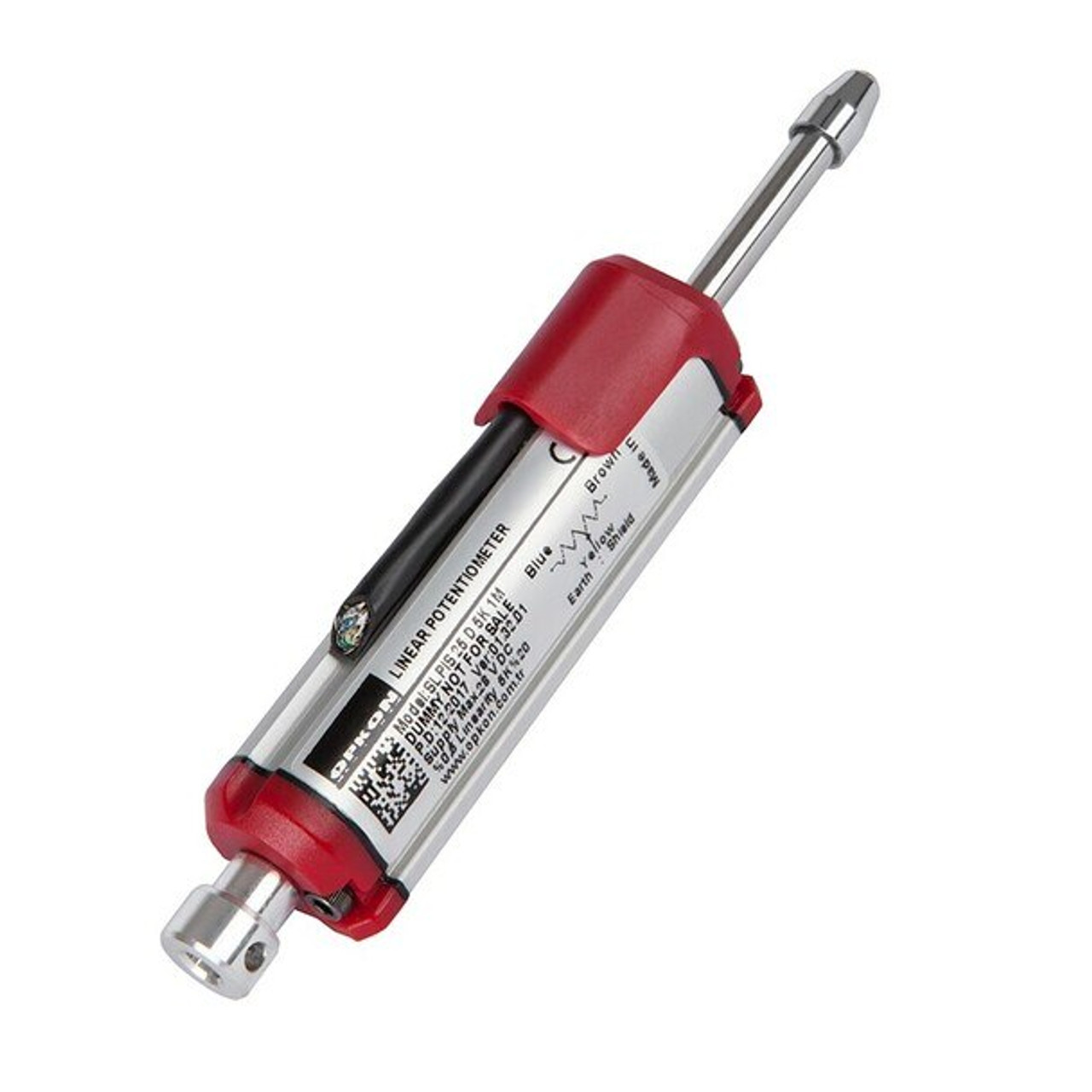
A linear potentiometer is a variable resistor that changes value as the rod or slider moves. Your controller reads that change as a changing signal, most often by applying a known voltage across the ends of the track and measuring the middle output at the moving contact. That output becomes your position number, so it must remain stable when the mechanism repeats the same motion.
Position errors typically appear first during slow movement and near the ends of travel, as these are the areas where small mechanical forces and wiring choices have the greatest impact. A linkage that reaches the end at an angle can compress the output near its limit, and a weak electrical reference can cause the same physical position to read differently when other loads are switched on. For a broader overview of construction and variants, read Linear Potentiometer.
A linear potentiometer is designed to move in one direction only, and any side force changes how the sensor wears and how the signal behaves. When the rod is pulled off axis, or the linkage introduces an angle, the contact presses unevenly on the track, which alters the resistance pattern the controller expects to see. In operation, this shows up as unstable readings during slow motion, output values near the ends that do not repeat, or a start position that shifts each time the mechanism cycles.
Correct mounting removes that variability at the source. Align the rod so it follows the exact path of travel, use joints that allow small angular movement without transferring side load, and make sure the mechanism reaches full stroke without being driven into hard stops. Before applying power, move the assembly through its range by hand and correct any resistance or binding you feel. When the sensor is free to follow the motion without constraint, the linear potentiometer produces repeatable readings, and the mechanism moves as intended. For deeper design considerations, read Linear Control Potentiometer Design Guide.
The most dependable wiring approach is to make the sensor and controller share the same power and ground reference. When both share the same reference, the position reading stays aligned with motion even when the supply shifts slightly under load. When the reference is split, small voltage changes look like position changes, which shows up as an inconsistent response and extra tuning work.
Keep the signal path quiet by planning the cable run like a measurement cable. Route signal wires away from high current lines, keep connections tight, and use the cable shield if your model includes one. Connect the shield the way your controller expects, then avoid multiple ground paths that can inject noise. A quick validation step is to watch the position reading while switching nearby loads, because a stable reference keeps the reading steady at a fixed position. When power, ground, and routing are handled together, the use of linear potentiometer produces a signal that stays steady during operation.
Setup checks confirm that the sensor follows motion smoothly and returns to the same reading when the mechanism returns to the same position. Start with a full travel check from minimum to maximum and watch the signal change smoothly without jumps. Slow down near each end and confirm the reading does not bunch up or snap at the limits, because that pattern points to binding, misalignment, or an endpoint being forced.
Next, cycle the mechanism back and forth and confirm repeatability. Return to a known position and verify that the same position produces the same reading after several cycles, then repeat the check with major loads switched on to confirm the reference remains steady. Record min, max, and return readings as your baseline, because those numbers make future troubleshooting faster and keep tuning focused on the machine response instead of a moving measurement. For application context, read Linear Motion Potentiometers: The Backbone of Precise Positioning.
Linear potentiometers earn their place when the controller needs an analog position value that moves with the mechanism, like actuator stroke feedback, valve position reporting, fixture travel measurement, or automation slides that must stop at the same points every cycle. In these setups, the sensor is part of the control loop, so small changes in the signal show up as overshoot, drift at a hold position, or a stop point that needs constant retuning.
A reliable use of linear potentiometer starts with fitting the sensor to both the motion and the input it will feed. Pick a stroke that covers the usable travel with a small buffer so you never drive into the electrical ends, then choose a resistance value that matches the controller input so the signal does not sag or get noisy. Follow that by selecting a sealing that fits dust, washdown, or chemical exposure, mounting so the rod stays in line with travel, and recording min, max, and a mid travel check at install so future checks compare against a known baseline.
A linear potentiometer provides continuous position feedback by turning straight-line movement into a signal that the controller can read.
Inaccurate readings in a linear potentiometer usually come from misalignment, side load, loose connections, or unstable power and ground, all of which change the signal even when the motion stays the same.
Sharing the same power and ground keeps the linear potentiometer reading aligned with motion when the supply shifts under load.
A linear potentiometer should be rechecked after mechanical changes, service work, or any time the baseline readings begin to shift.
During linear potentiometer setup checks, record the minimum and maximum readings, plus the return reading at a known position after several cycles.