
In a hydraulic system, the actuator is the part that turns fluid power into motion at the load. Using it well means matching the actuator to the force and stroke you need, mounting it so the load stays aligned, and setting up checks that confirm the system hits the same positions and speeds after cycling. When those steps are handled early, the machine reaches the same positions at the same speeds, and you spend less time chasing drift, jerky motion, or uneven extension.
ETI Systems treats hydraulic motion as one connected path from valve to actuator to load. That keeps the focus on items that decide performance in the field, including pressure margin at the load, return flow behavior, hose routing that avoids side pull, and a short verification routine recorded at install. This guide explains practical actuator use in hydraulic systems with plain steps you can verify on the machine.
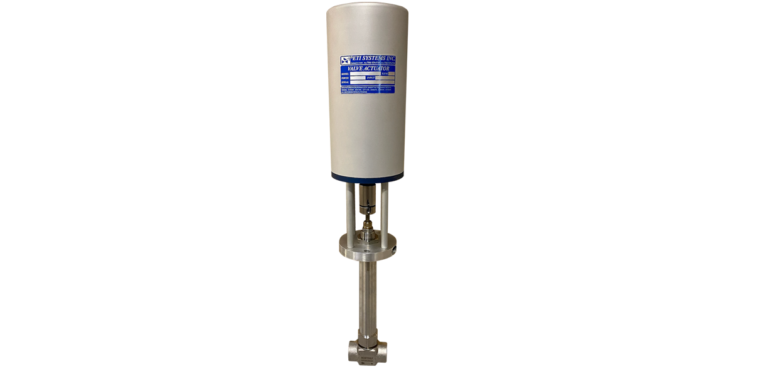
A hydraulic actuator produces force when system pressure pushes on its internal area, and it produces speed when flow fills that area over time. A larger area gives you more push at the same pressure, but it also needs more flow to move at the same speed, so the stroke can slow if the pump or valve cannot supply it. A smaller area moves faster on the same flow, but it needs higher pressure to reach the same force, which can show up as stalling at the hardest part of the move.
This is why sizing has to start with what the load is doing during the stroke, not just a single force number. Many jobs have phases, like breaking a load free, moving through the middle, then slowing near a stop, and each phase can demand a different mix of pressure and flow. It also matters whether the actuator is extending or retracting, because the effective area can change, and that changes speed and available force. If the system must hold a position, plan for what happens when valves are centered, and the pump is not actively moving the actuator, since small leakage paths can let the load creep unless the circuit is designed to block or control that movement.
For a broader overview of ETI’s actuator options, read Actuator.
Start sizing by locking down three items you can measure: the peak force at the toughest part of the move, the full stroke or rotation you must cover, and the extend and retract time the machine needs to hit per cycle. With those numbers, back into the force capability using your available pressure, then confirm the flow available through the pump and valve can realistically deliver the speed you want. Extend and retract may not behave the same, because the effective area can change, which changes both force and speed. A good sizing decision leaves a small cushion so the system is not running at its limit every time the load spikes. If you want industry context on why hydraulic actuation is used across heavy-duty equipment, read How Hydraulic Actuators Revolutionize Industries.
Next, look at how the load reaches the actuator, because the same force requirement can behave very differently depending on geometry. If the linkage pushes at an angle, if the rod is asked to guide the motion, or if the pivot points move out of plane, friction rises, and low-speed motion starts to feel grabby. That behavior shows up as hesitation at the start, uneven movement through the middle, or a stop point that shifts depending on the approach direction. The fix is usually mechanical: improve guidance, correct pivot alignment, and make sure the actuator only applies force along its intended line so seals, rods, and joints are not carrying side load.
Installation is strongest when the actuator provides push and pull, and the machine structure provides guidance. Line up the pivots so the actuator stays in the same plane as the linkage through the full stroke, and make sure the rod end can rotate freely at both mounts. If the linkage changes angle during travel, use joints that allow that motion rather than forcing the actuator to bend, because side force shows up as stick and slip at low speed, a slower retract, or a stop point that changes depending on which direction you approach it.
Confirm the ends of the stroke are controlled by the mechanism, not by slamming the actuator into its limits. Move the system slowly to each end and verify there is no hard contact that spikes the load, then return to a mid stroke position and confirm the reading and motion feel the same after several cycles. Those checks catch misalignment, binding, and shifting geometry before the system is tuned.
Hose routing should also be treated as part of alignment. If hoses pull on the ports, twist during travel, or rub on the frame, they can add side load, loosen fittings, and change motion feel over time. Route hoses with enough slack for full travel, keep the bend gentle, support the run with clamps or sleeves where it passes edges, and keep the hose path away from heat and pinch points. After installation, cycle the actuator slowly and watch the hoses through the full range, because a hose that tightens at one point is a reliable sign that the routing will cause problems later.
Most control complaints come from the plumbing around the actuator, not the actuator itself. The return side is a common culprit because it is easy to restrict without noticing, such as a return filter that is loading up, a quick coupler that is undersized, a hose that is too small for the flow, or a return line that is kinked or routed through a tight fitting. When the return flow is squeezed, the actuator can hesitate on reversals, change speed mid stroke, or feel like it is pushing against a cushion when it should be moving freely.
You can diagnose this by watching the behavior at slow speed and adding one simple comparison. First, run the actuator slowly in both directions and note whether it starts cleanly, stays steady, and stops without bouncing. Next, repeat the same motion after checking the return path for heat, noise, or a noticeable change when you temporarily reduce flow at the valve, because restrictions become obvious when the symptoms change with flow. If the actuator surges at the start or overshoots a stop, the valve may be too aggressive for the load, or the load may be driving the motion faster than the valve can control. If the actuator drifts while holding, confirm the valve blocks flow in neutral and that the load is not forcing oil through internal leakage paths.
Start setup by moving through the full stroke at a slow speed and watching for the same behavior every time. You want a smooth start, a steady mid stroke speed, and a controlled stop at each end, with no sudden surge, hesitation, or harsh end contact. Then pause at two or three mid-stroke positions under the normal working load and hold for a set time, such as 30 to 60 seconds, while watching whether the position stays put. If the position drifts, note whether it drifts immediately or slowly, because an immediate change often points to a valve or connection issue, while a slow change often points to internal leakage under load.
Next, use one repeatability test that catches most mechanical problems early. Pick a reference position and approach it from both directions at the same speed, then confirm the stop point lands in the same place each time. If the stop shifts depending on approach direction, focus first on linkage geometry, binding, and trapped air, because those issues change how the system behaves during reversals.
Record a baseline that you can reproduce later without special tools: extend time and retract time over the same distance, the highest pressure you see at the hardest part of the move, and the hold result at the mid stroke checks. Also record the reference position you used for the two-direction repeatability test, including any physical mark or measurement that identifies it. When performance changes later, these notes help you separate a load change from a restriction, leakage, or binding before you start swapping parts.
A hydraulic actuator is used to convert fluid pressure and flow into controlled motion, such as lifting, pushing, clamping, or positioning a mechanism.
Uneven motion is commonly caused by air in the lines, return restrictions, valve metering issues, or side load from misalignment that increases friction.
A hydraulic actuator is sized correctly when it reaches the required force at available pressure, hits the target speed with available flow, and holds positions under load without stalling or drifting.
Creep happens when the load back drives the circuit through internal leakage in the actuator or valve, or when the valve cannot fully block flow at the hold condition.
Document extend and retract time under load, pressure at the hardest point of travel, and repeatability at key positions approached from both directions.